There are a number of things that guide my teaching practice. First is the understanding that schools and cultural institutions are unjust, inequitable establishments which by nature perpetuate systemic inequities. Second is an assumption that we within the field of art education strive to leave it better than we found through educational justice, which, “can only happen through a simultaneous fight for economic justice, racial justice, housing justice, environmental justice, religious justice, queer justice, trans justice, citizenship justice, and disability justice,” (Love, 2020, p. 12). Dr. Bettina Love notes that no part of these intersectional issues can be restored to justice if not all are restored (p. 12). By embracing theories like critical race theory, settler colonialism, Black feminism, dis/ability, critical race studies, and others that frame experiences of injustice, us educators must consequently work towards the abolishment of oppressive policies, practices, and positions within our systems which defy progress towards a collective goal of educational and social justice.
Lastly, I believe curriculum must be student-centered and culturally relevant. First introduced by Gloria Ladson-Billings, and expanded upon by Django Paris as culturally sustaining curriculum, I amplify these scholars' notions that curriculum must relate — by interest or lived experience — to those its inflicted upon in order to be meaningful. If this requires further research, education, training, or professional development, then it is my belief that such work is absolutely necessary.
Under this framework, I aim to present students, schools, and cultural institutions with the tools and opportunity to critically reflect on and challenge the dominant narratives and the values and beliefs of their social and political surroundings, while simultaneously challenging their own values and beliefs. By presenting multiple forms of art, aesthetics, analysis, and art making experiences, students will develop creative and reflective practices and craft critical perspectives of the social contexts and climate in which they are situated.
See a few lessons and student work from my teaching experiences below.
STUDENT ART EXAMPLES
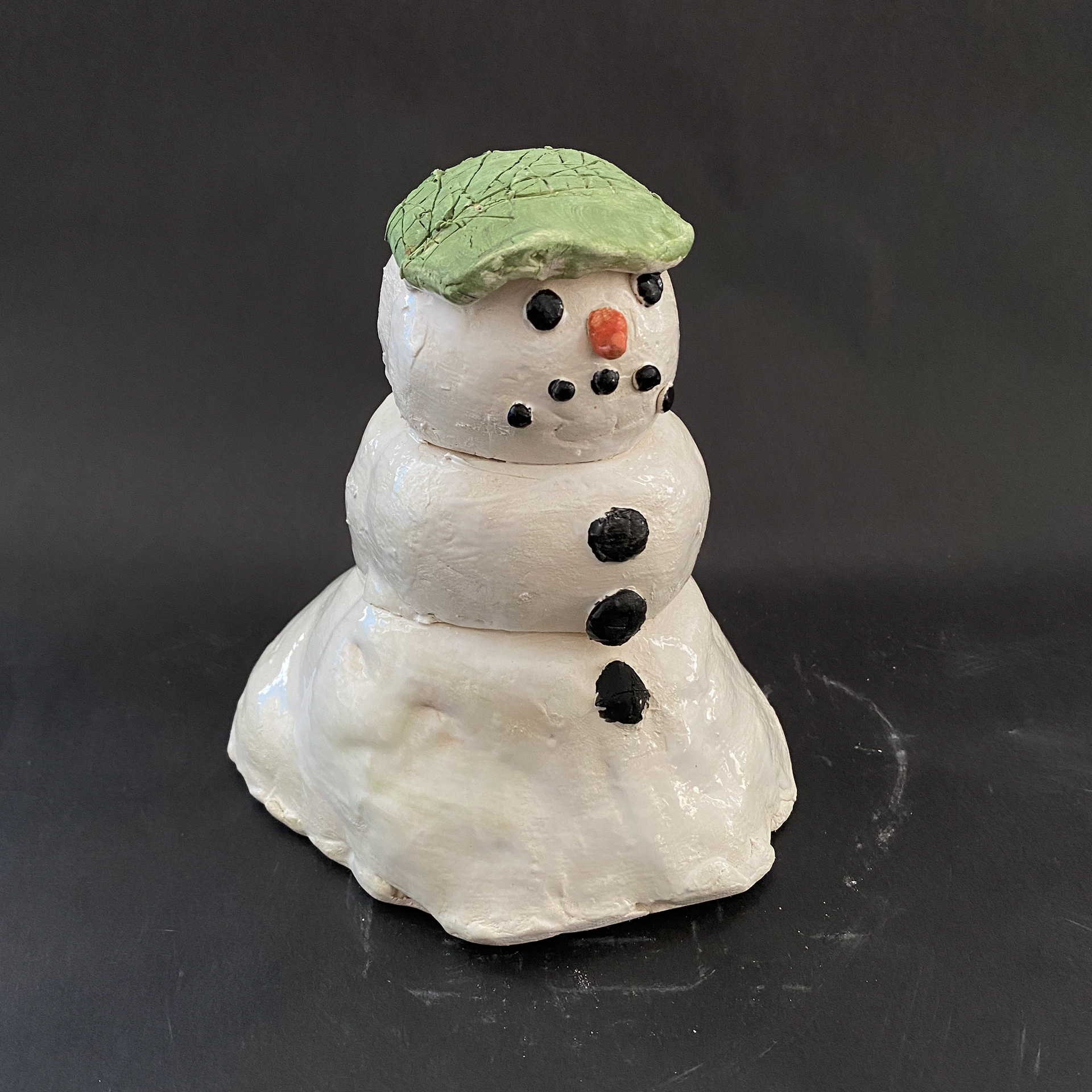
Hollowed memorials: Using clay as a medium for remembrance, to provoke thought, or to celebrate, students researched and analyzed a topic of their choice to comment on visually. Using wire armatures and the hollowing process, these research topics and unique messages come to life.
global warming
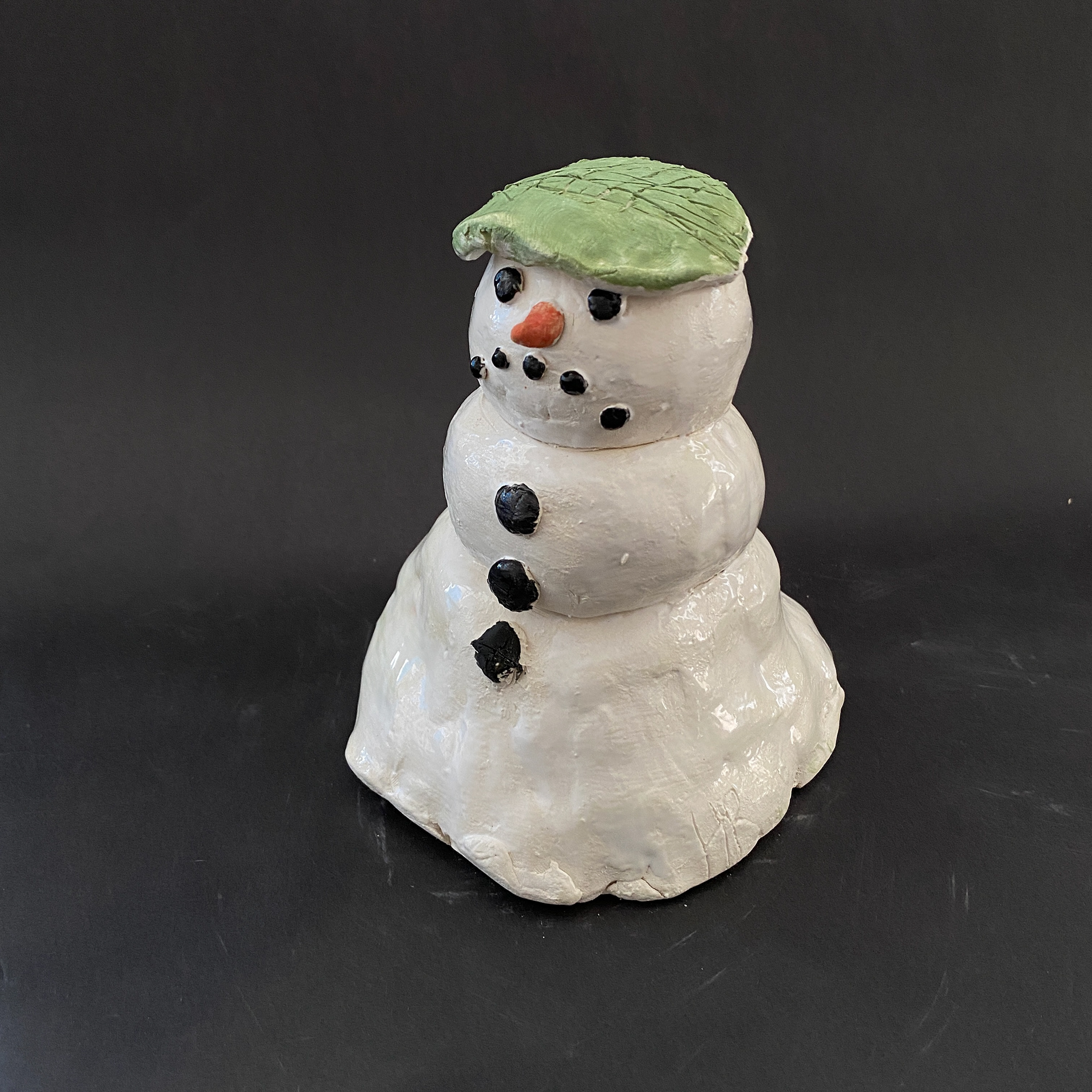
global warming
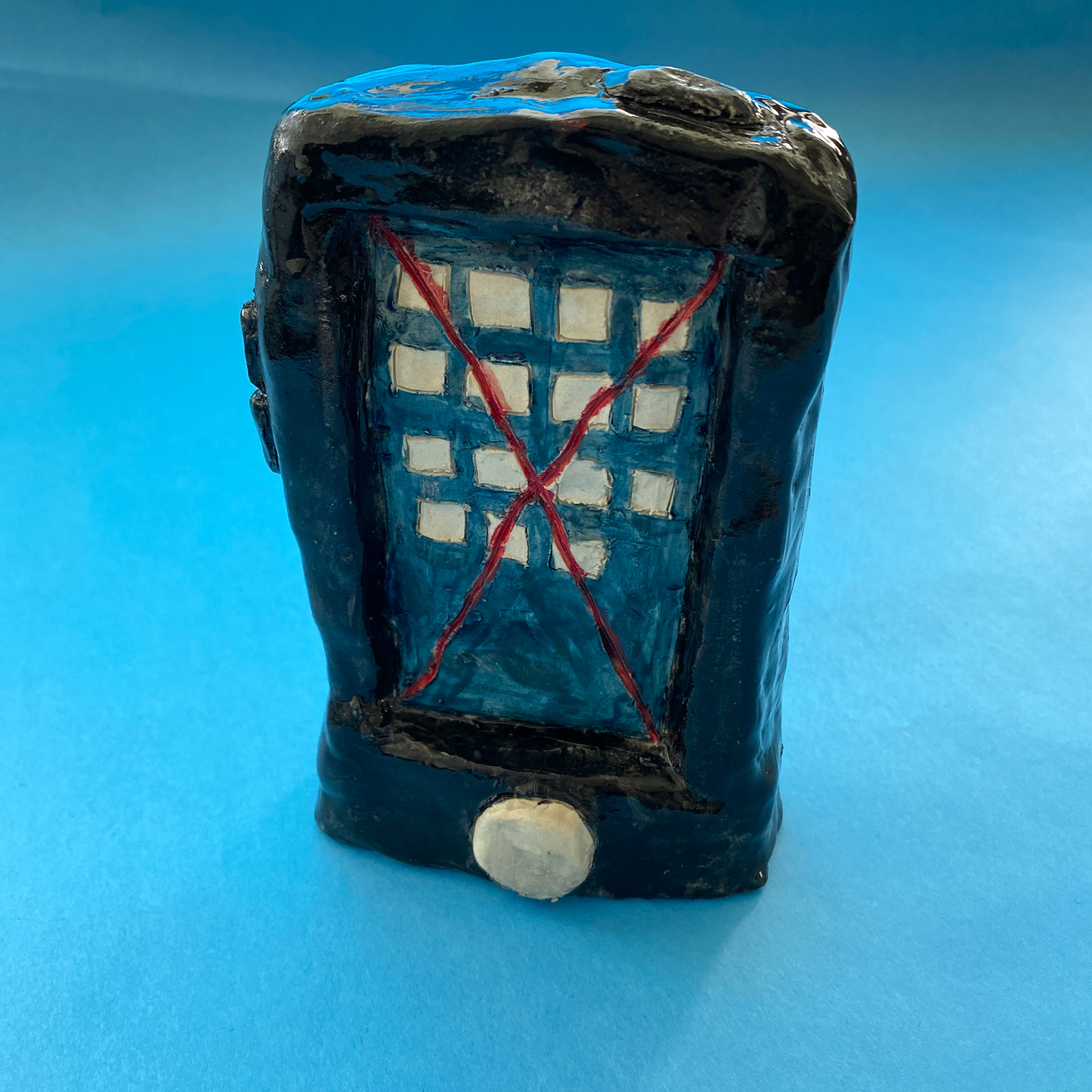
teen social media usage
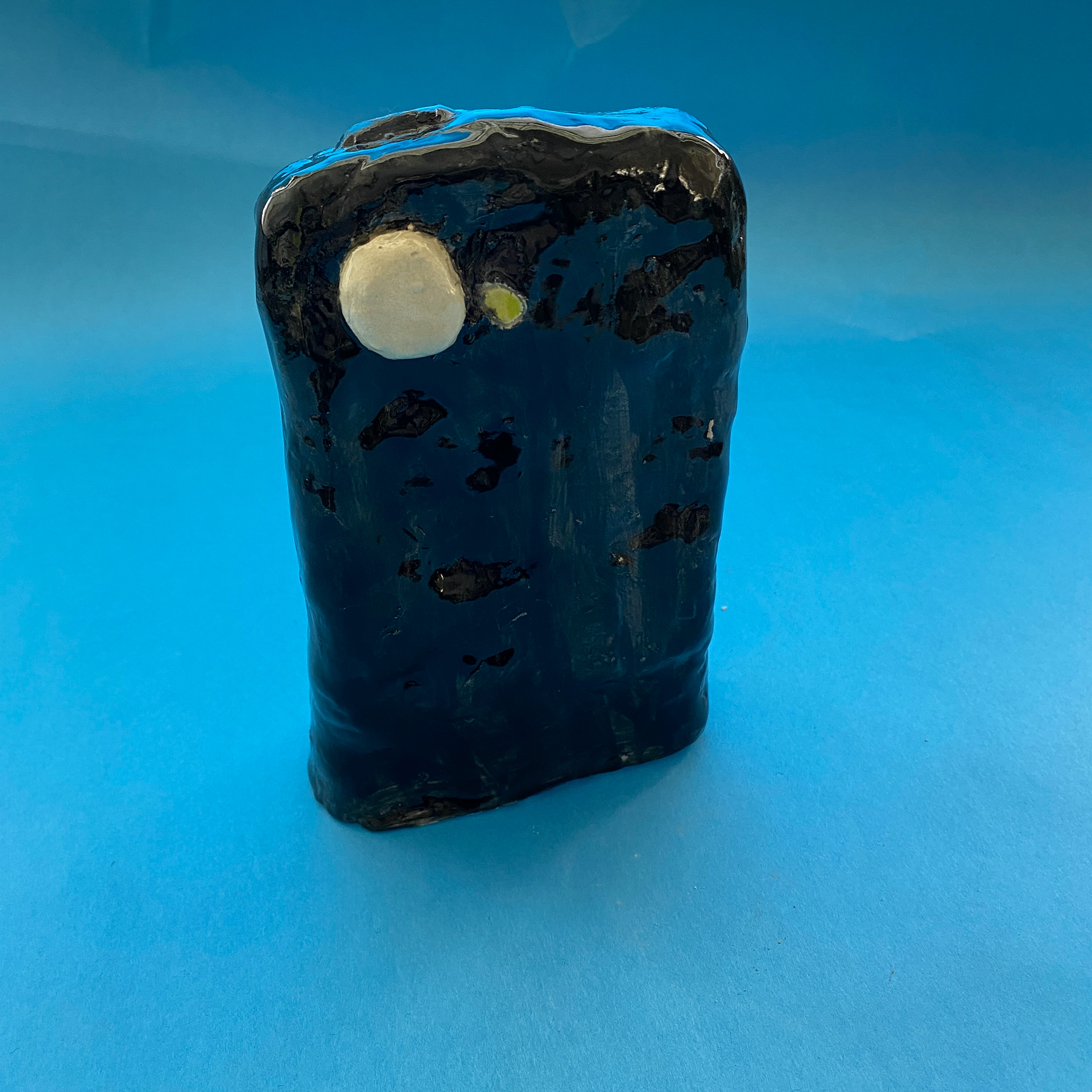
teen social media usage
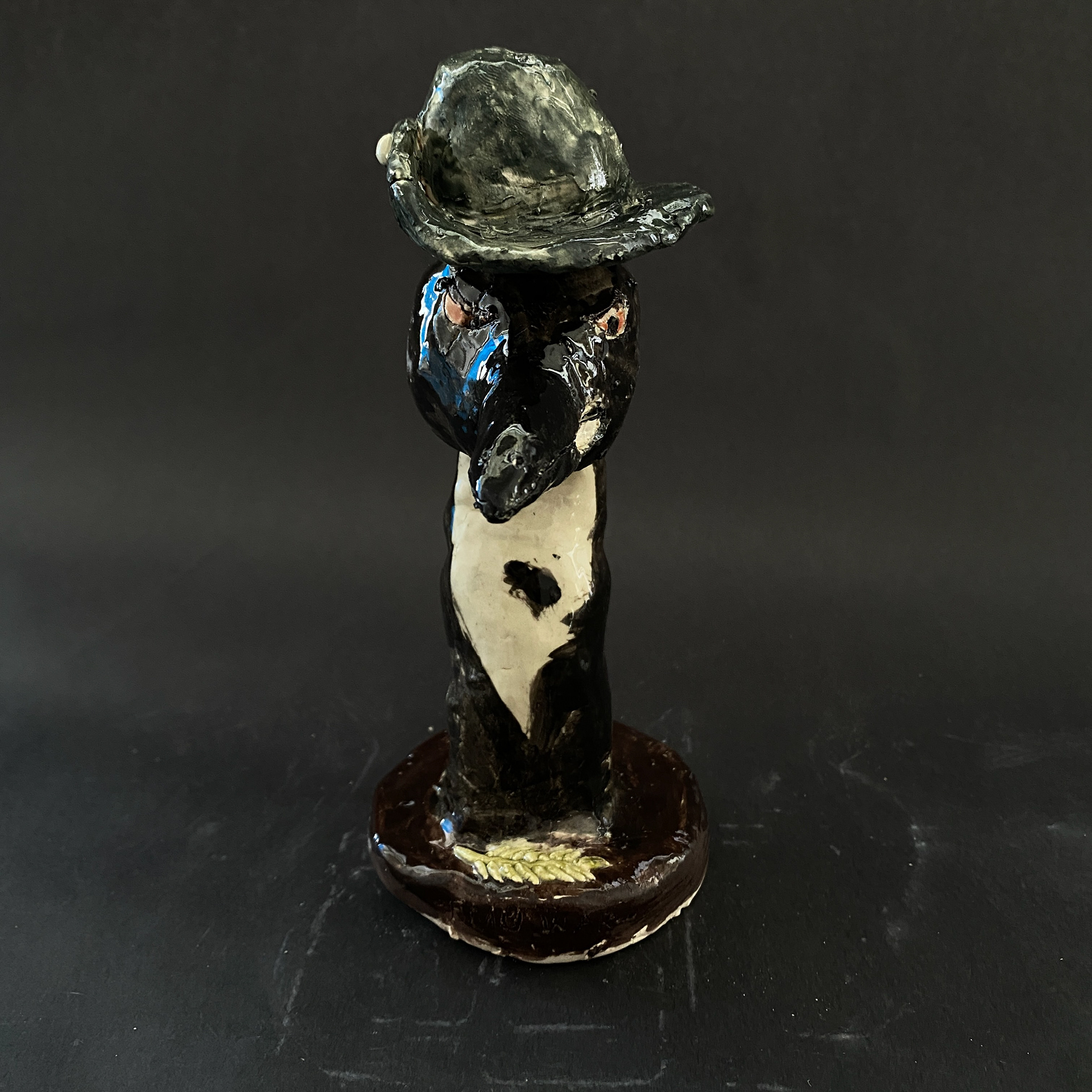
Emu War
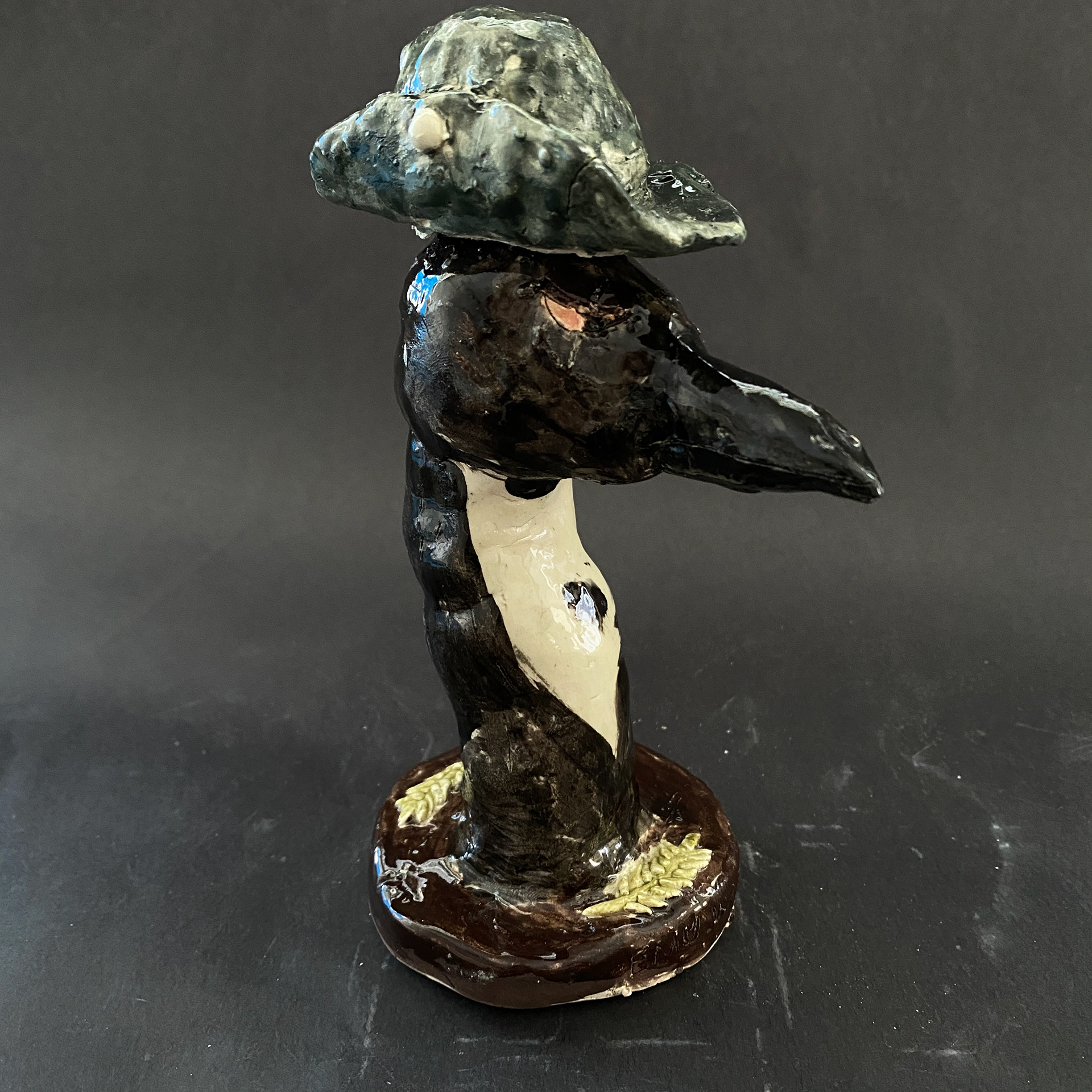
Emu War
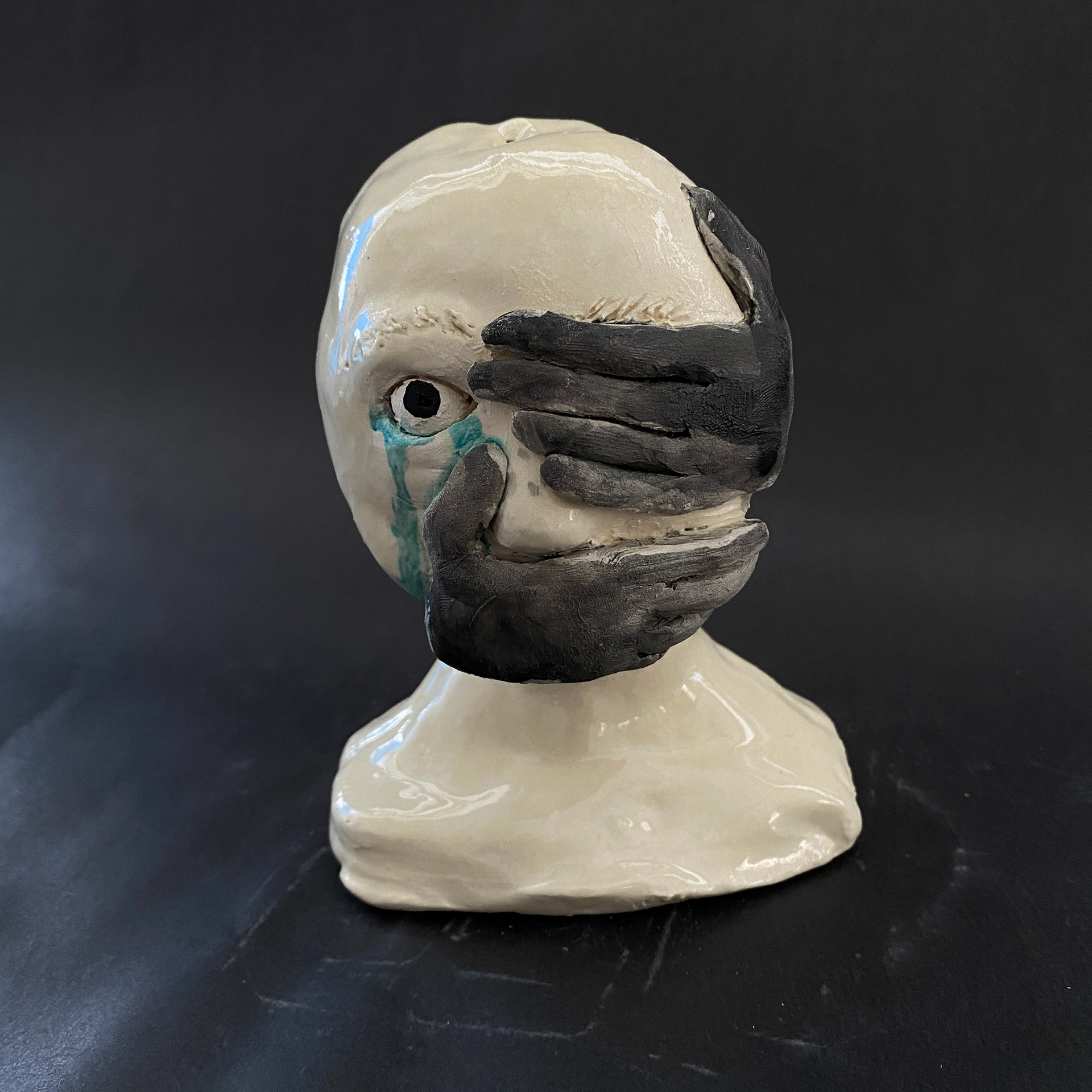
Manipulation
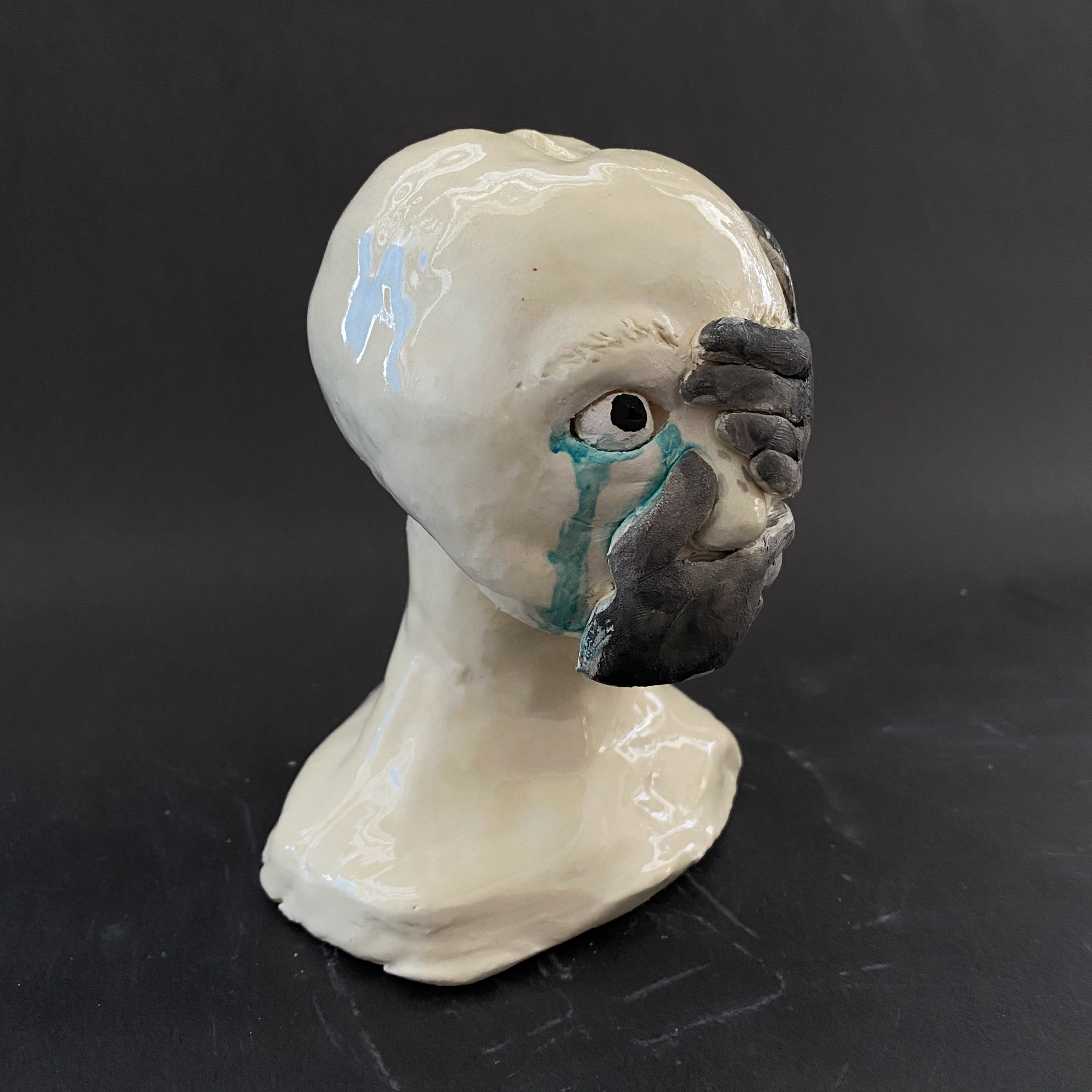
Manipulation

scoliosis
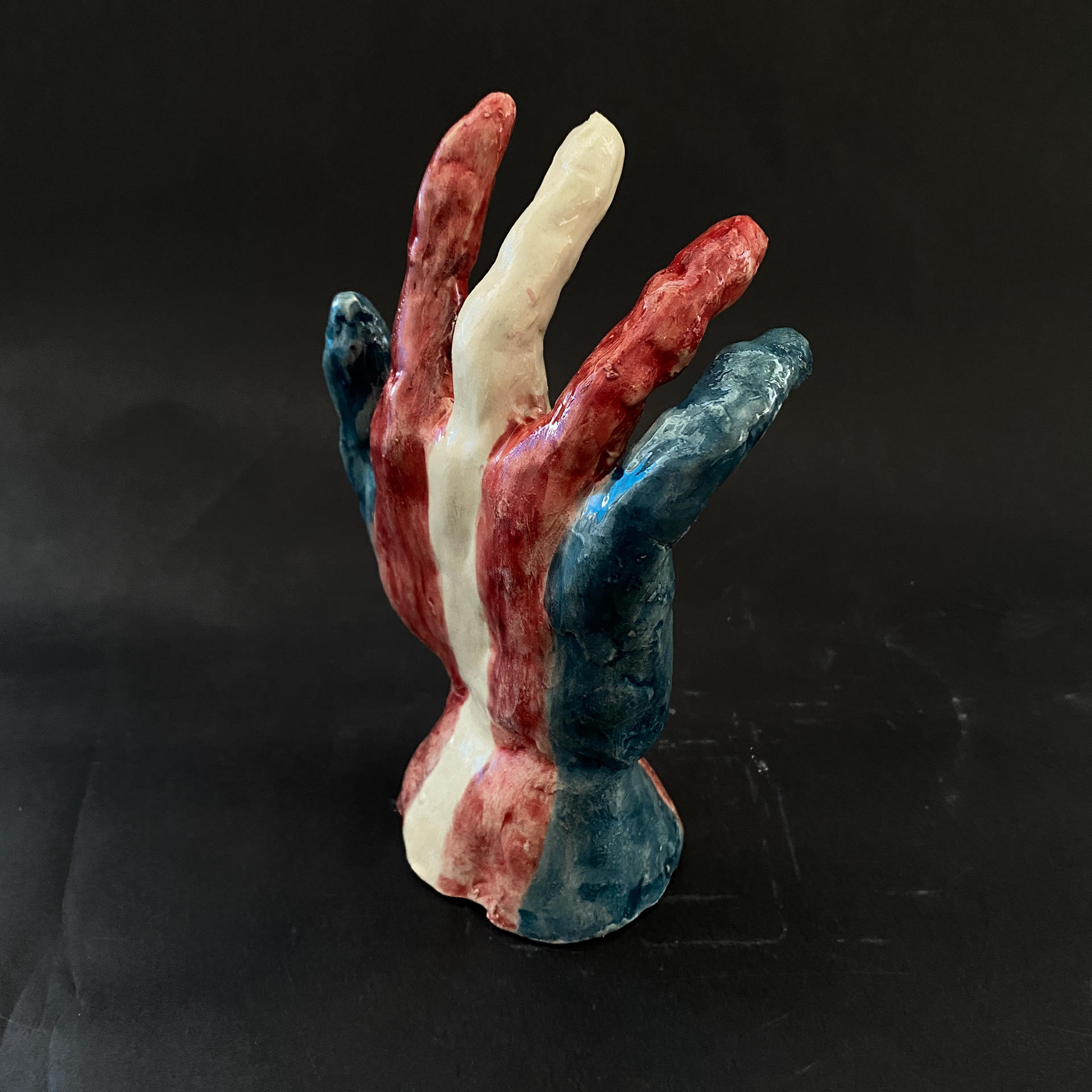
trans activist Lou Sullivan
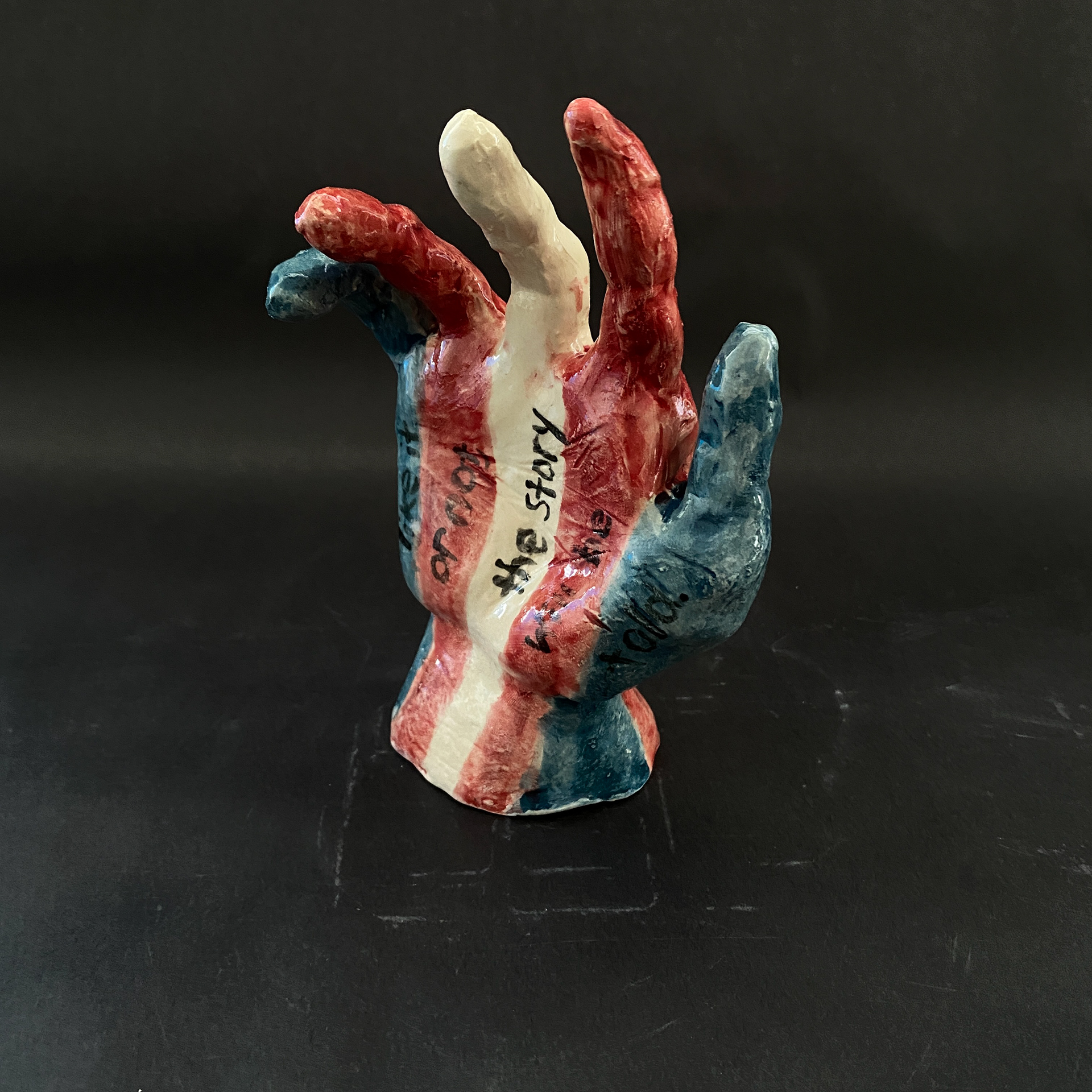
trans activist Lou Sullivan
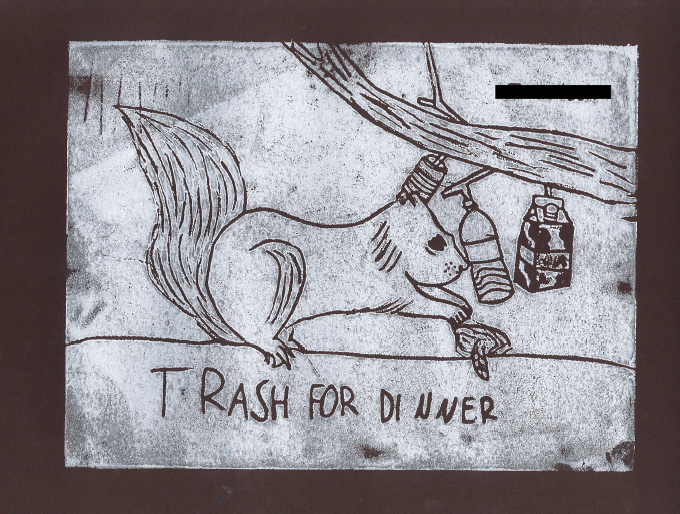
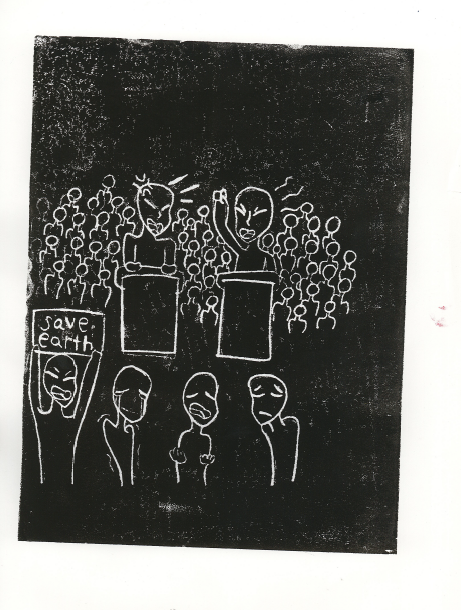
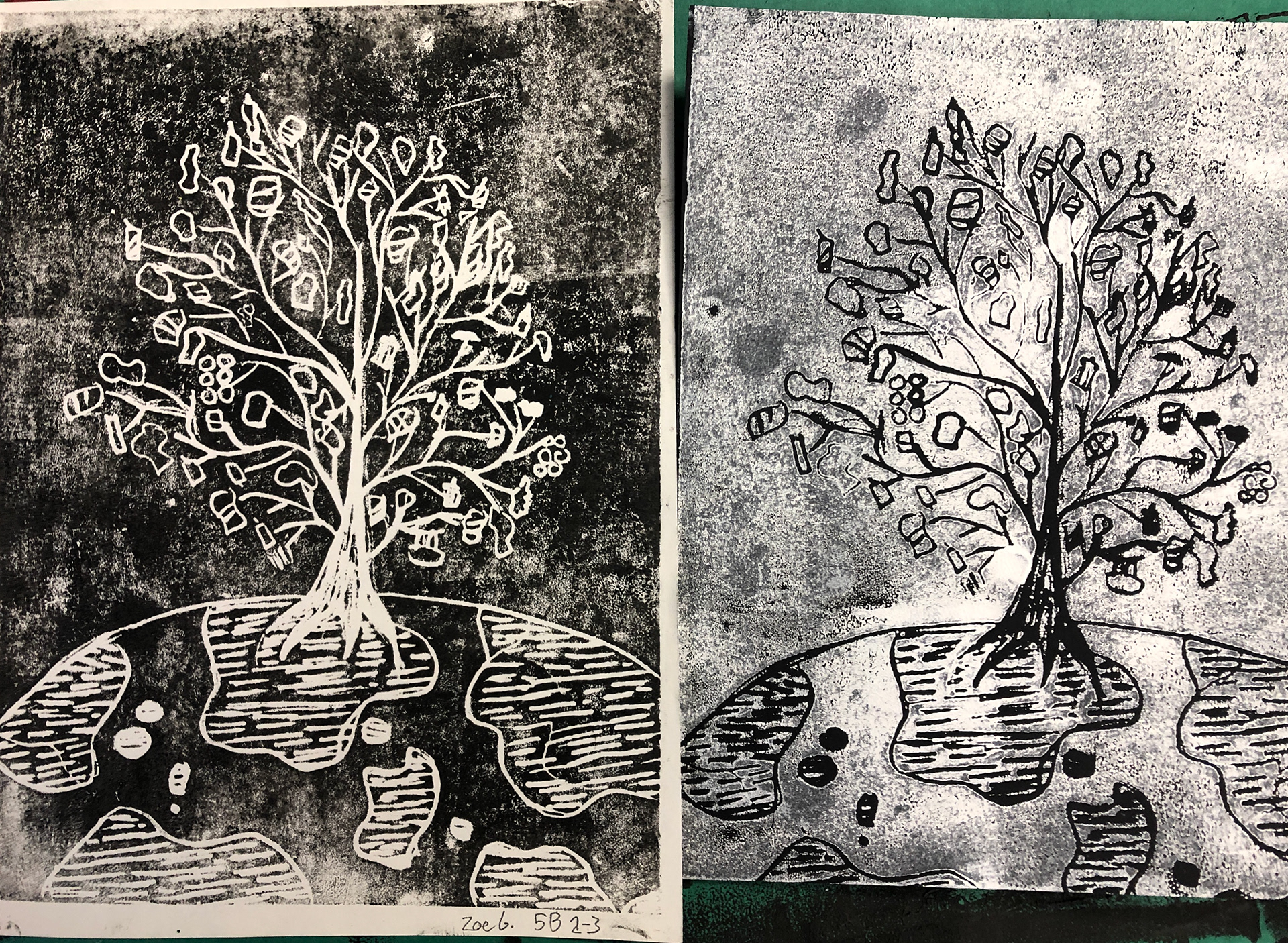
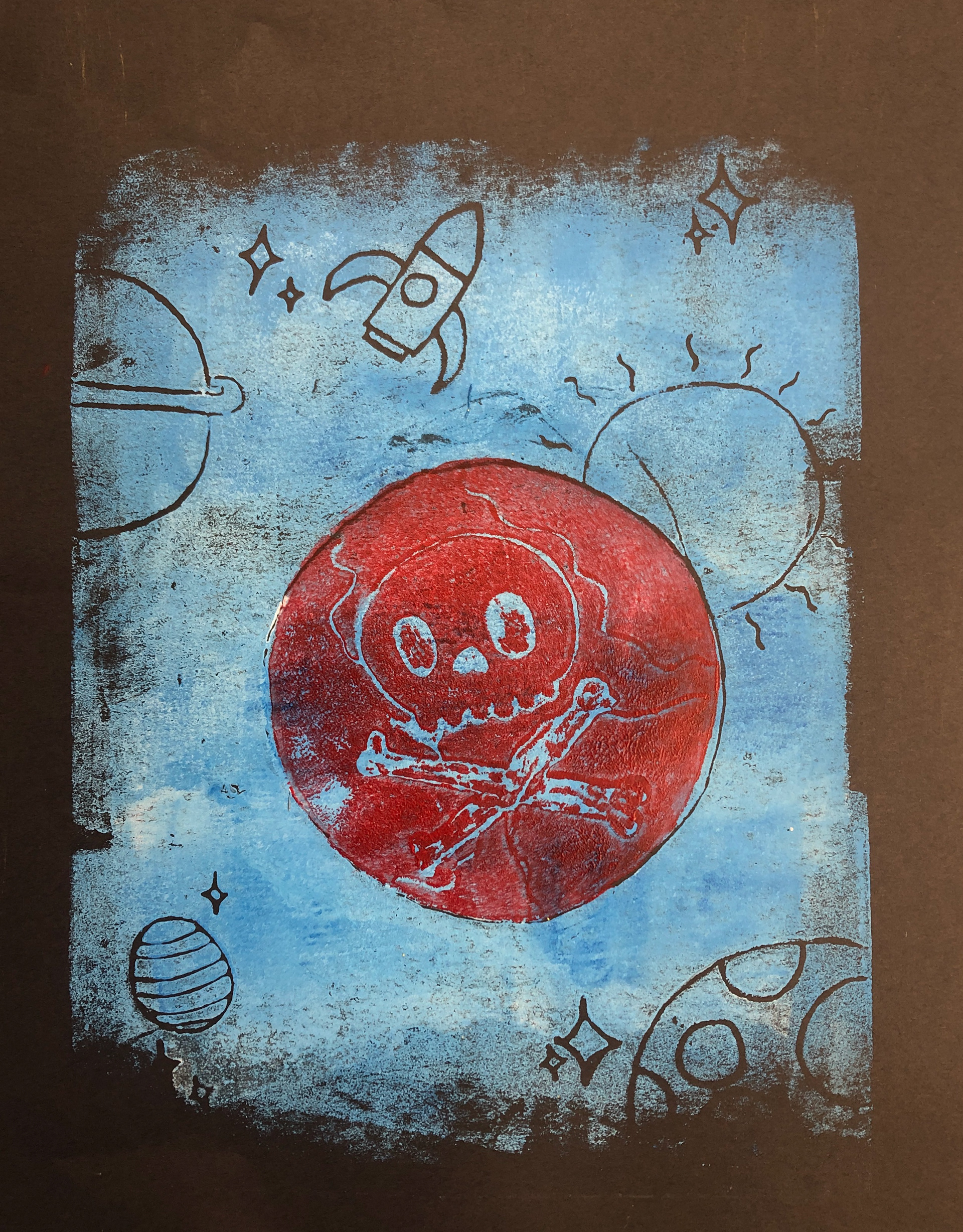
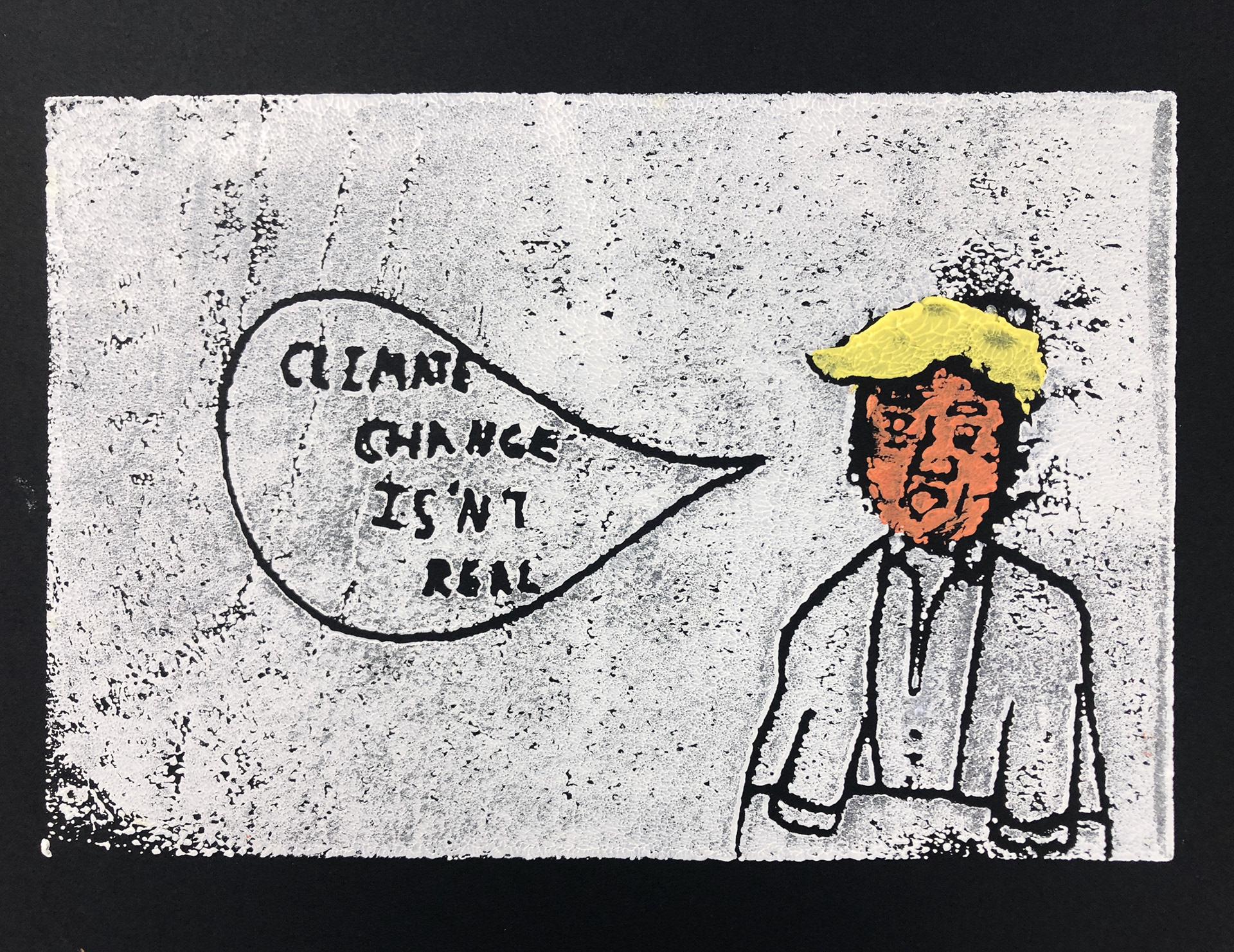
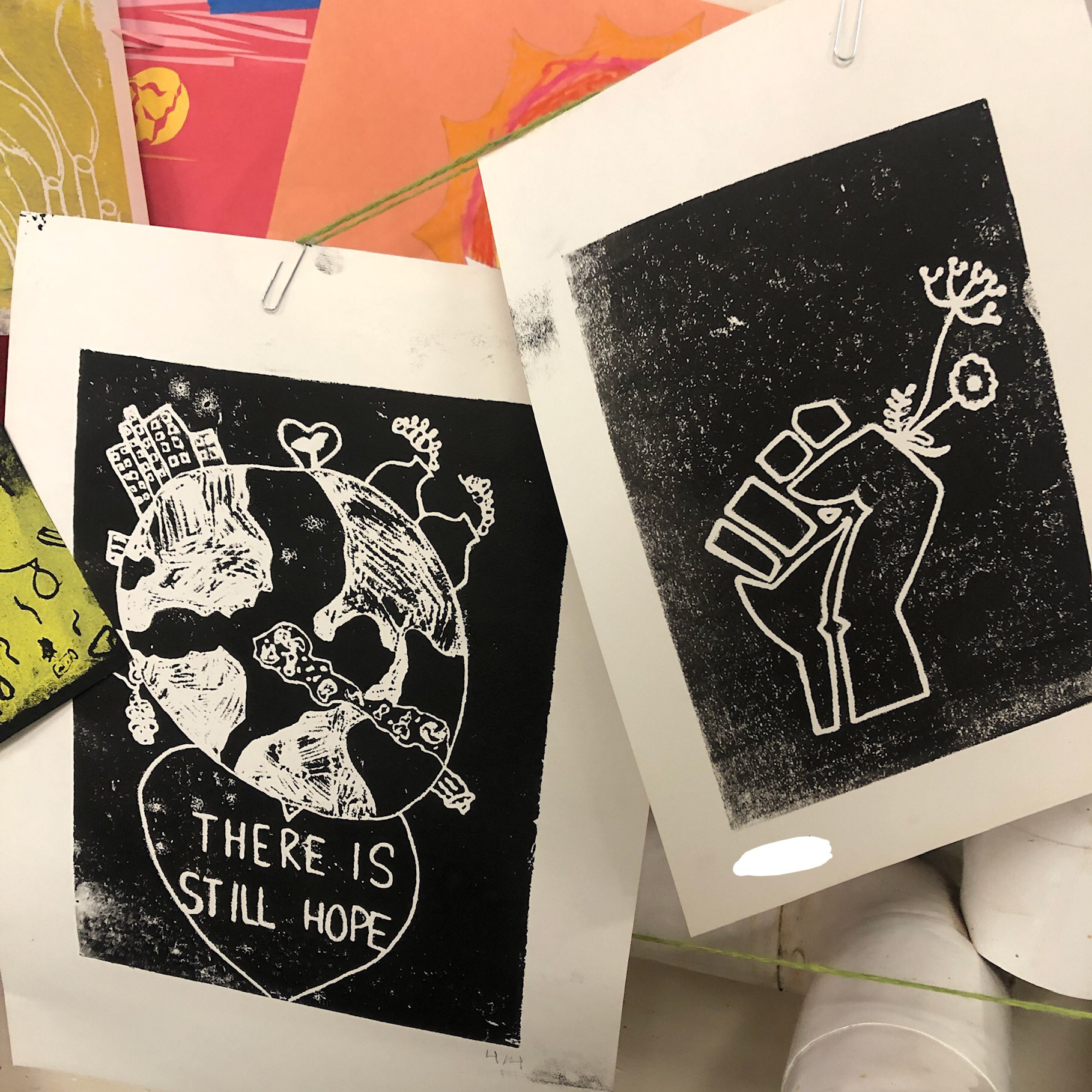
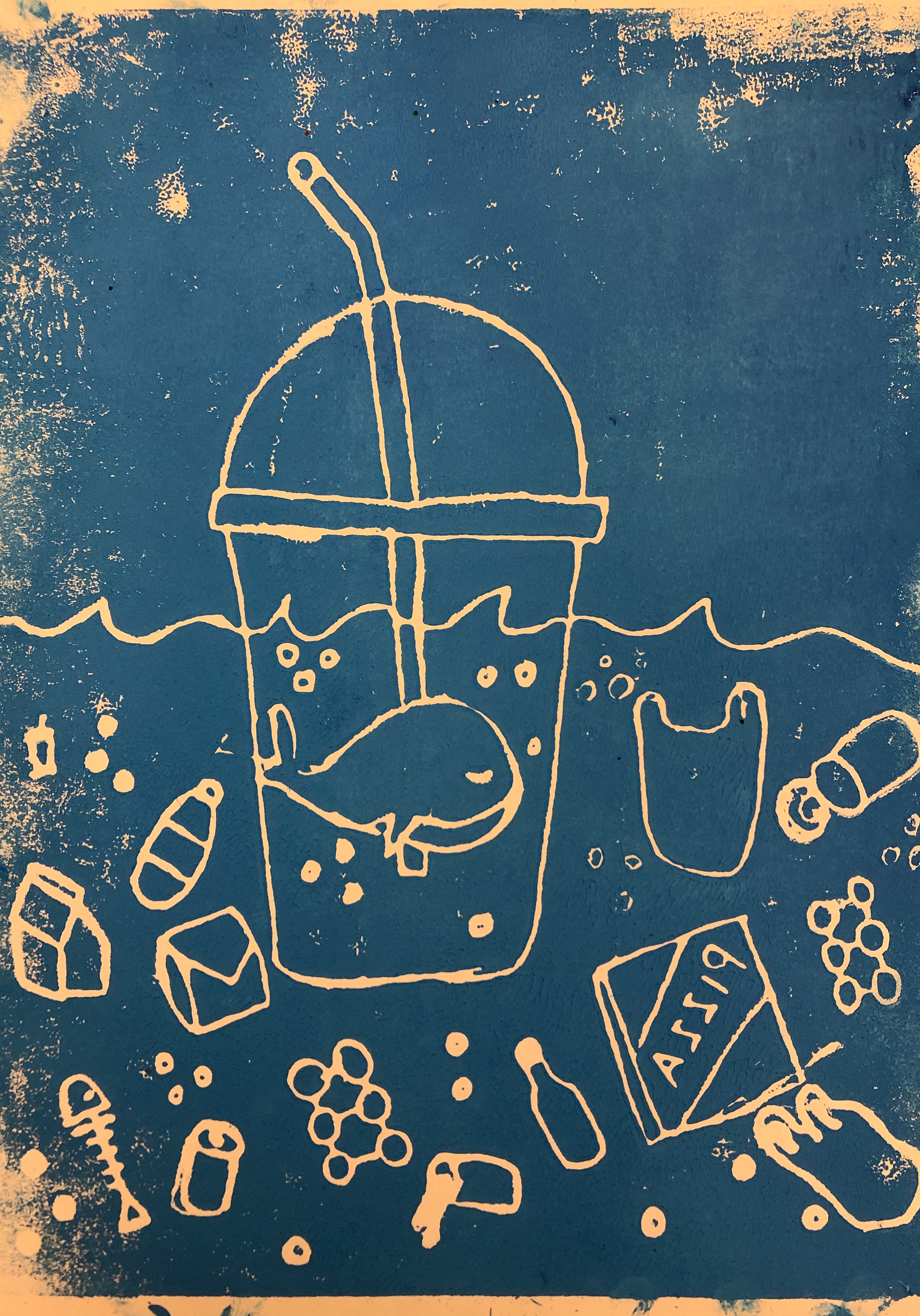
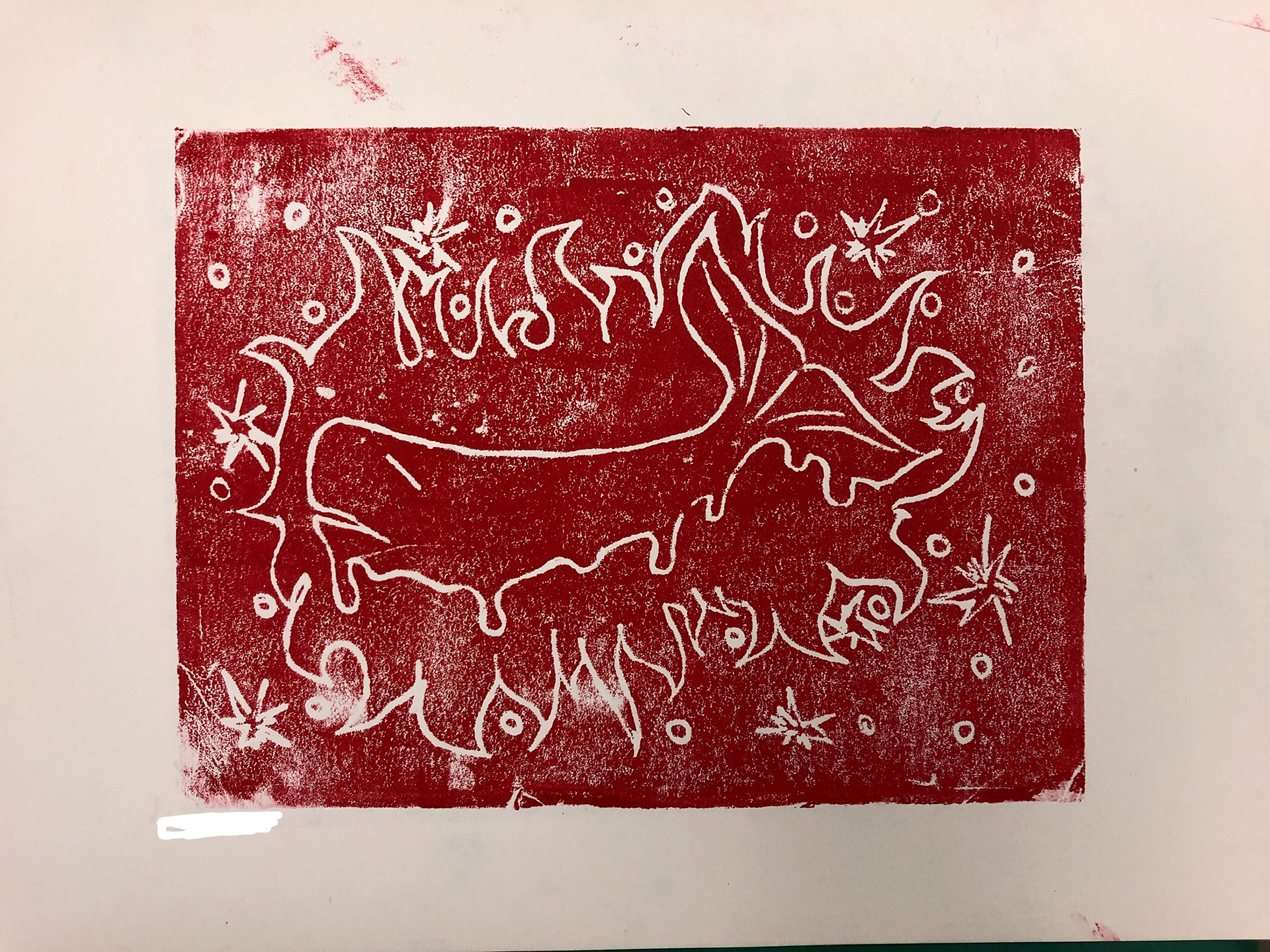
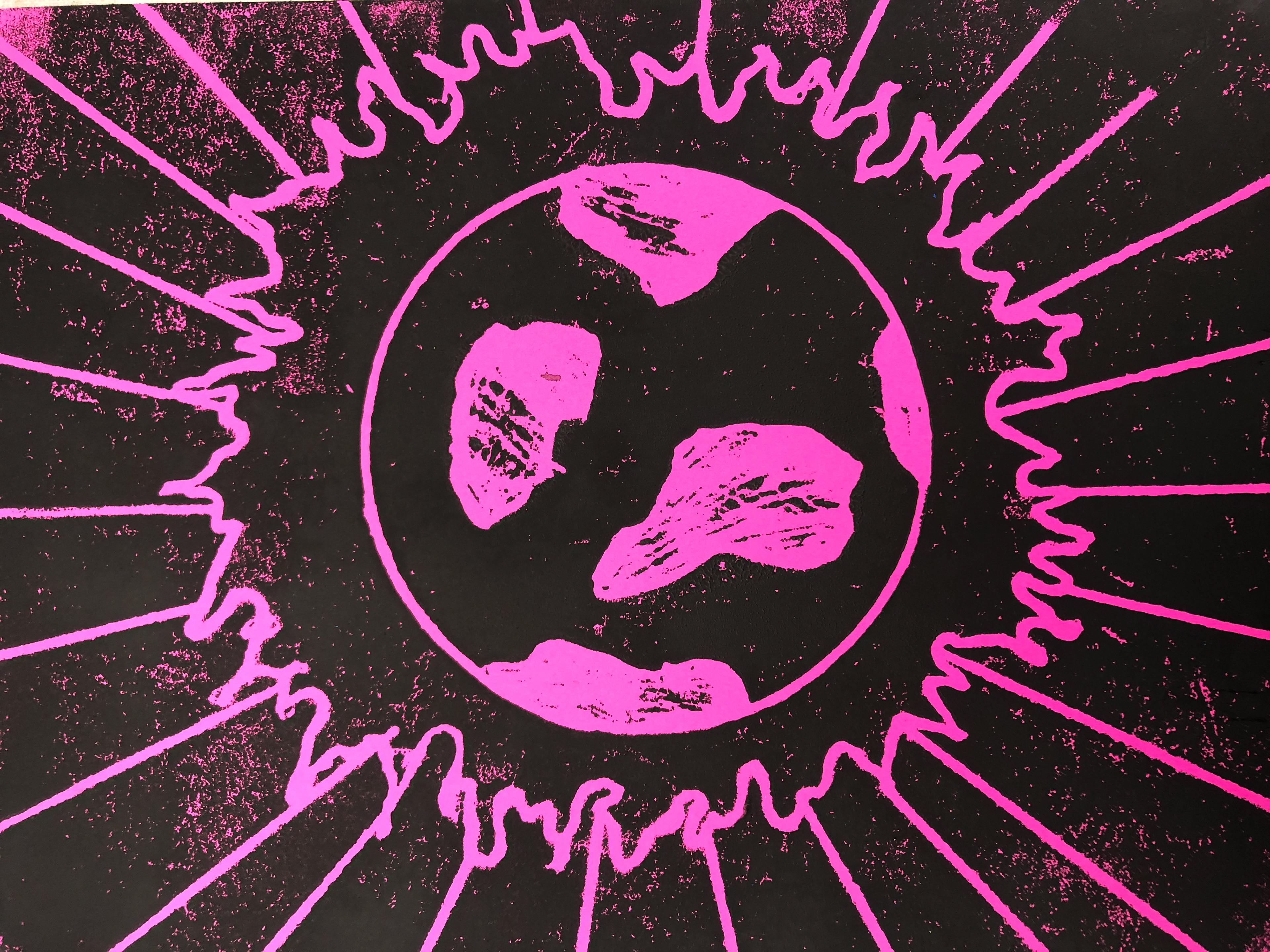
Printmaking & Protest: Through the lens of social change and justice, students designed and created their own prints which utilized symbols and pattern to convey a message regarding environmentalism, climate change, school issues, or youth culture.
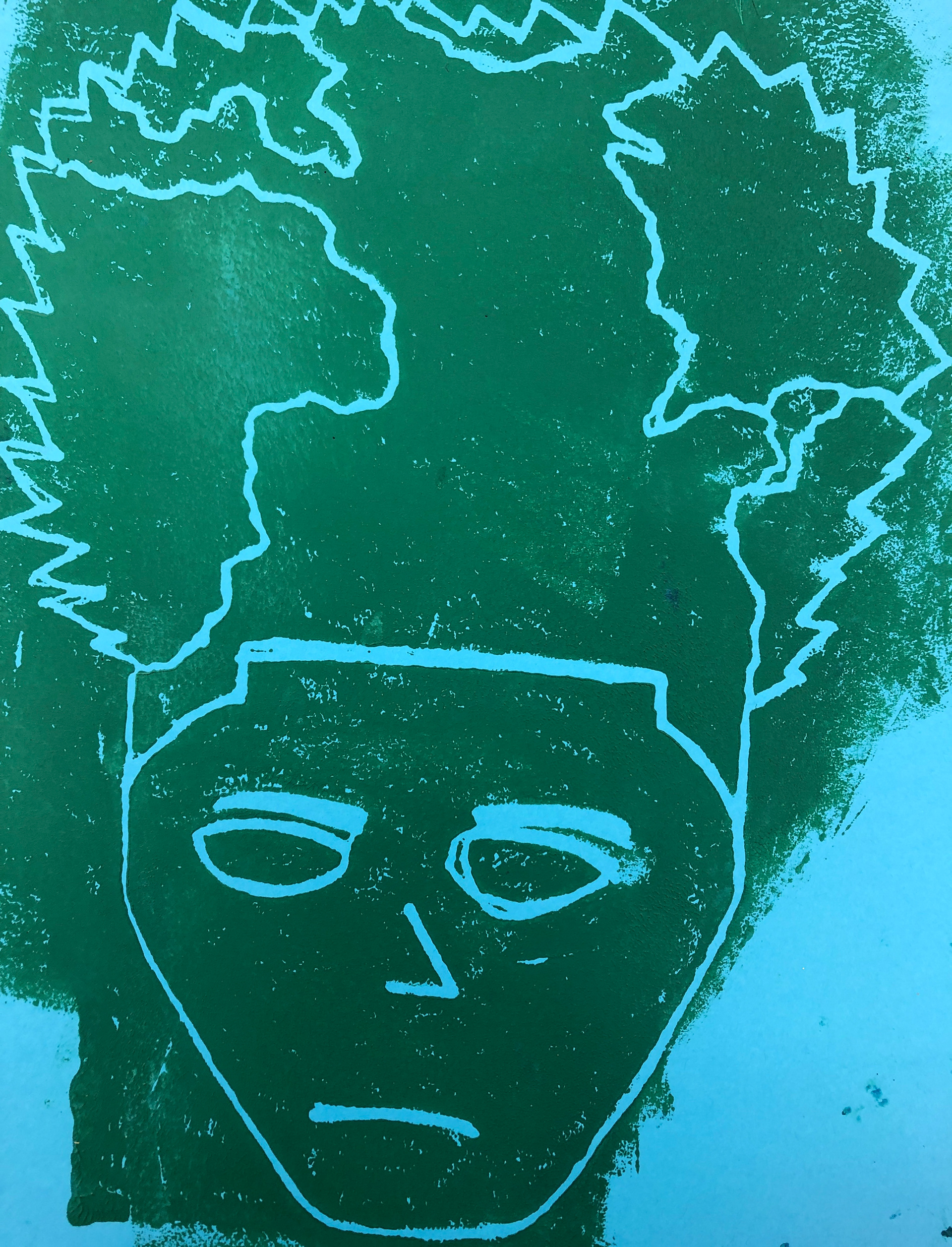
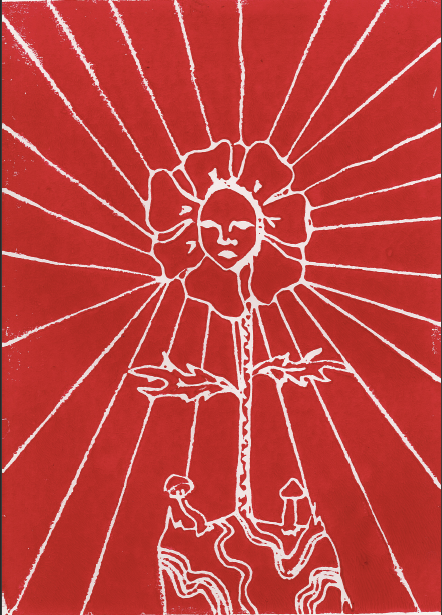
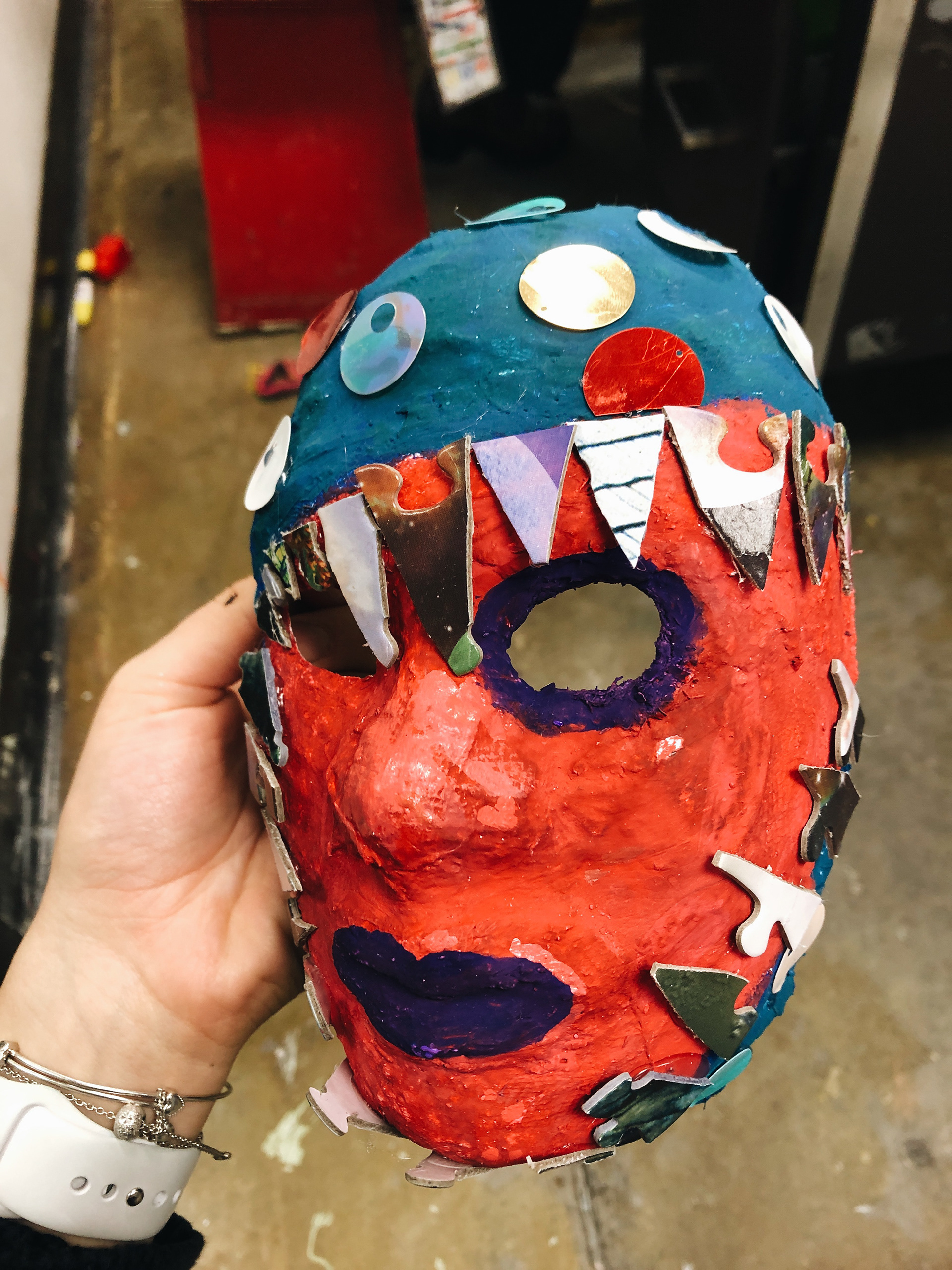
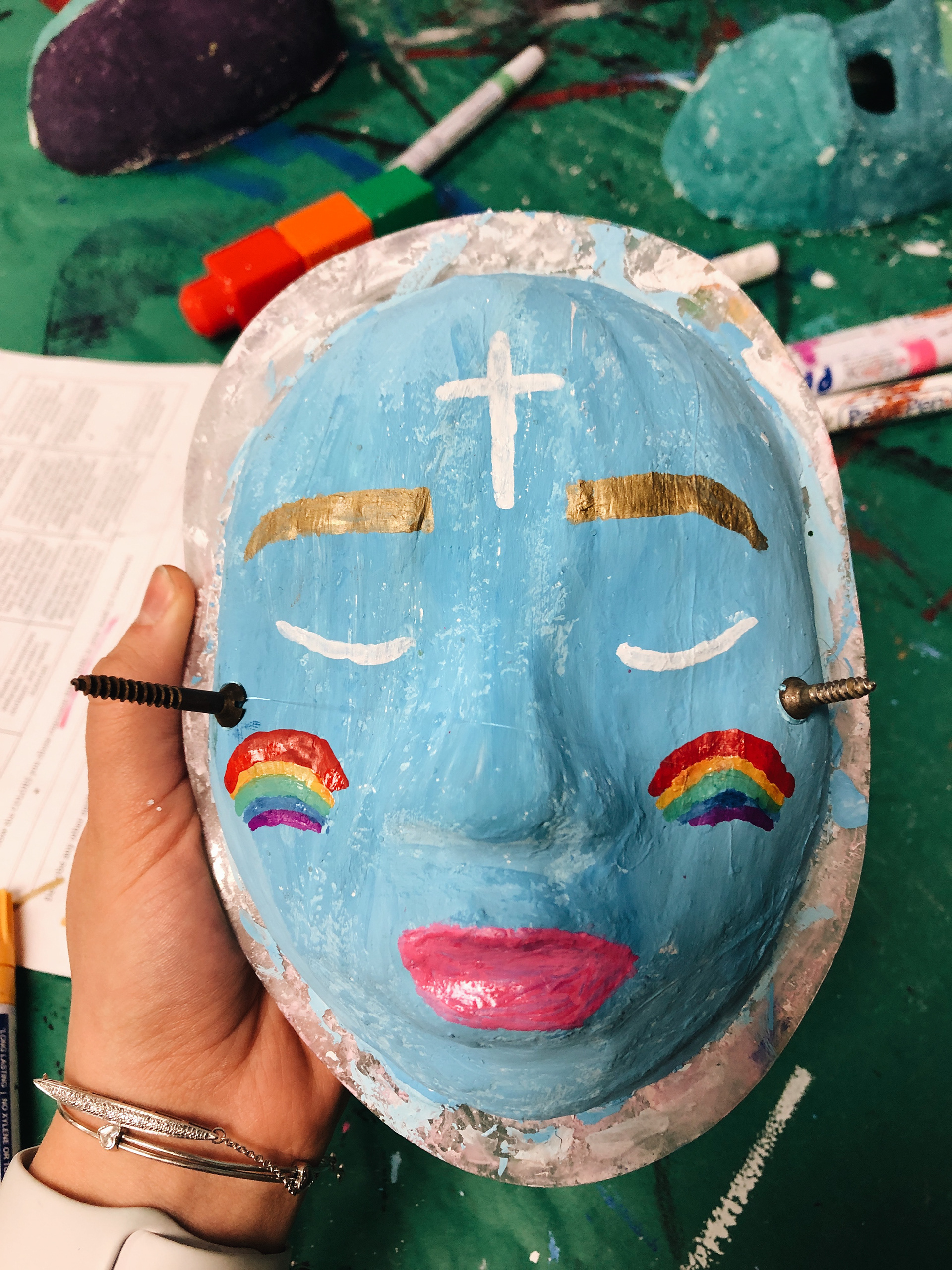
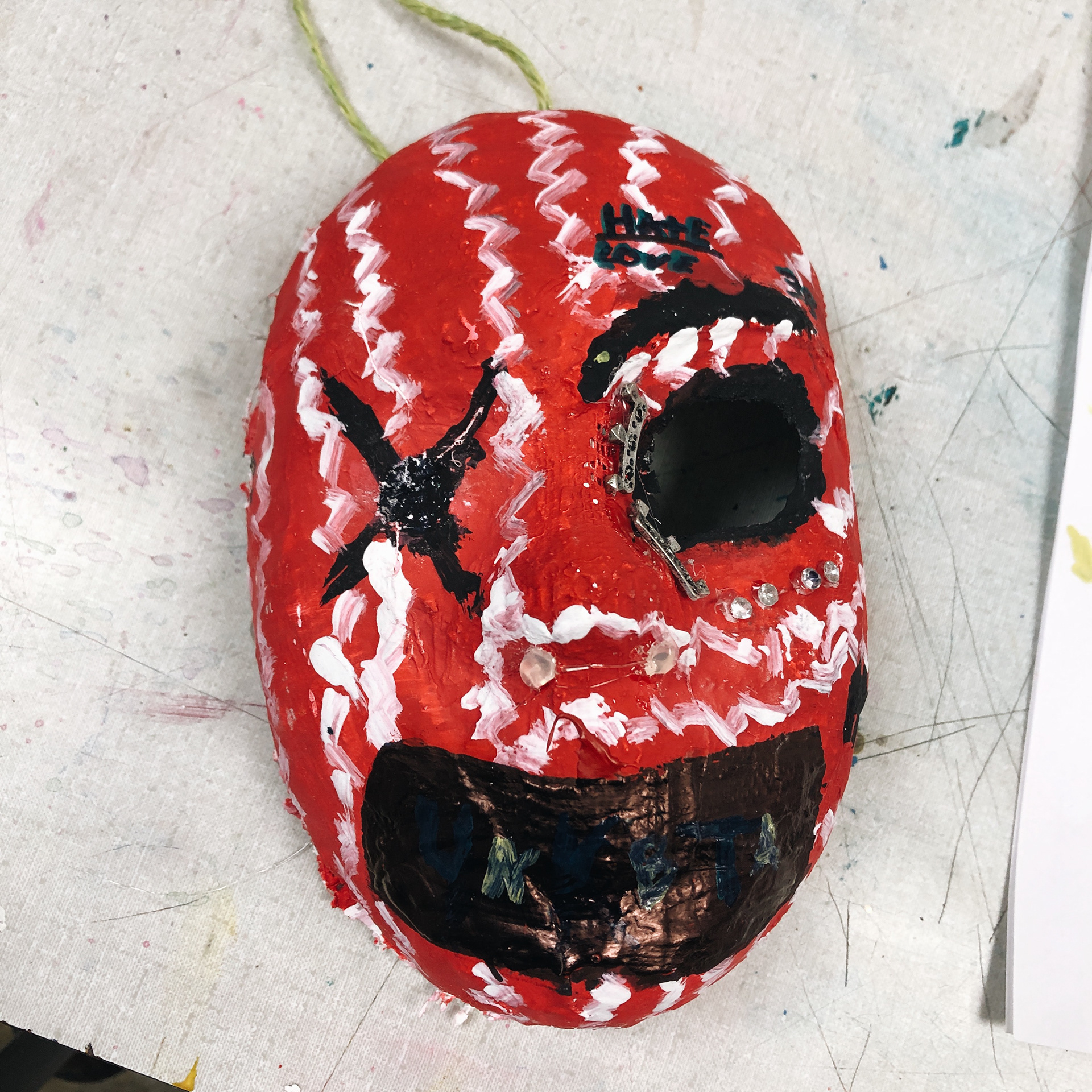
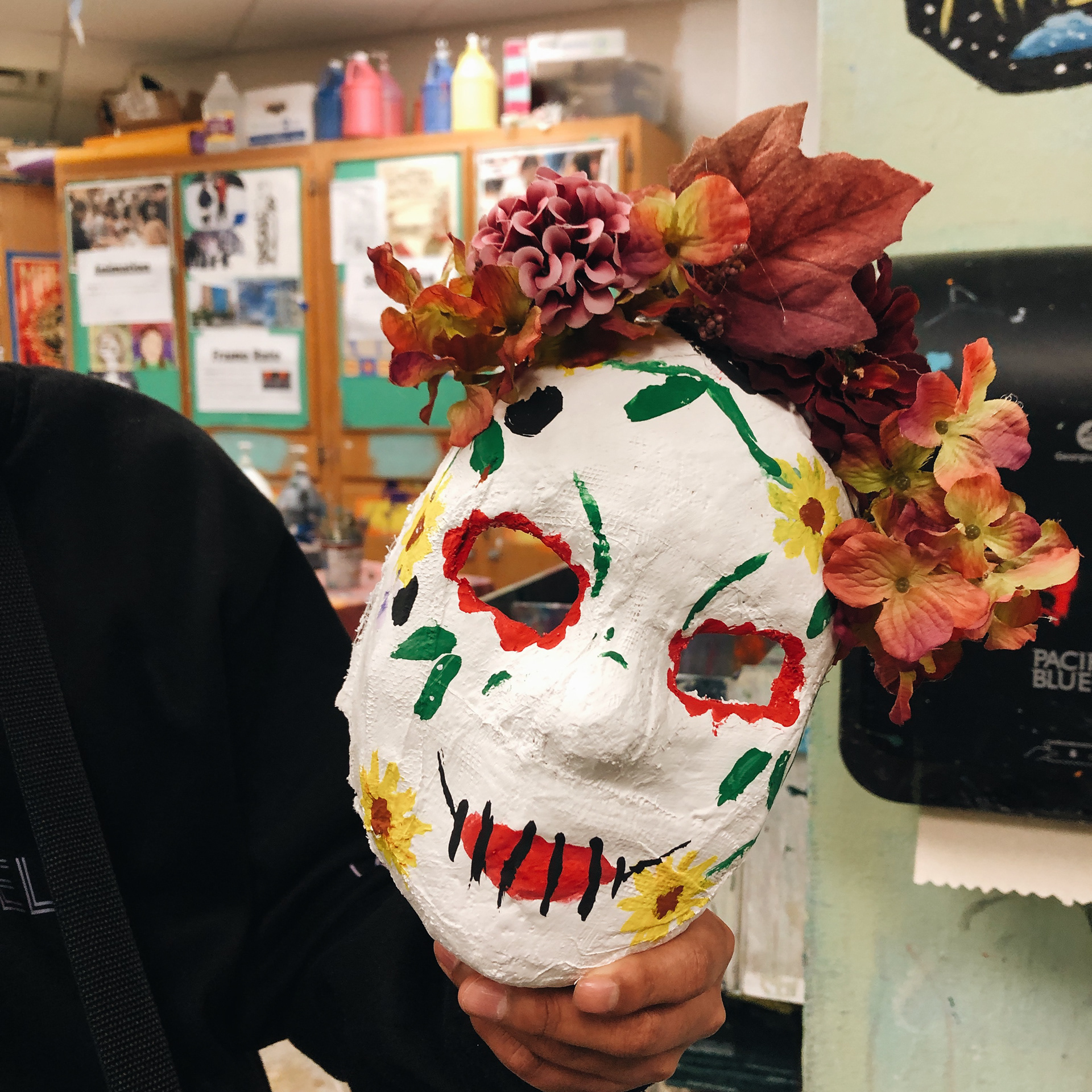
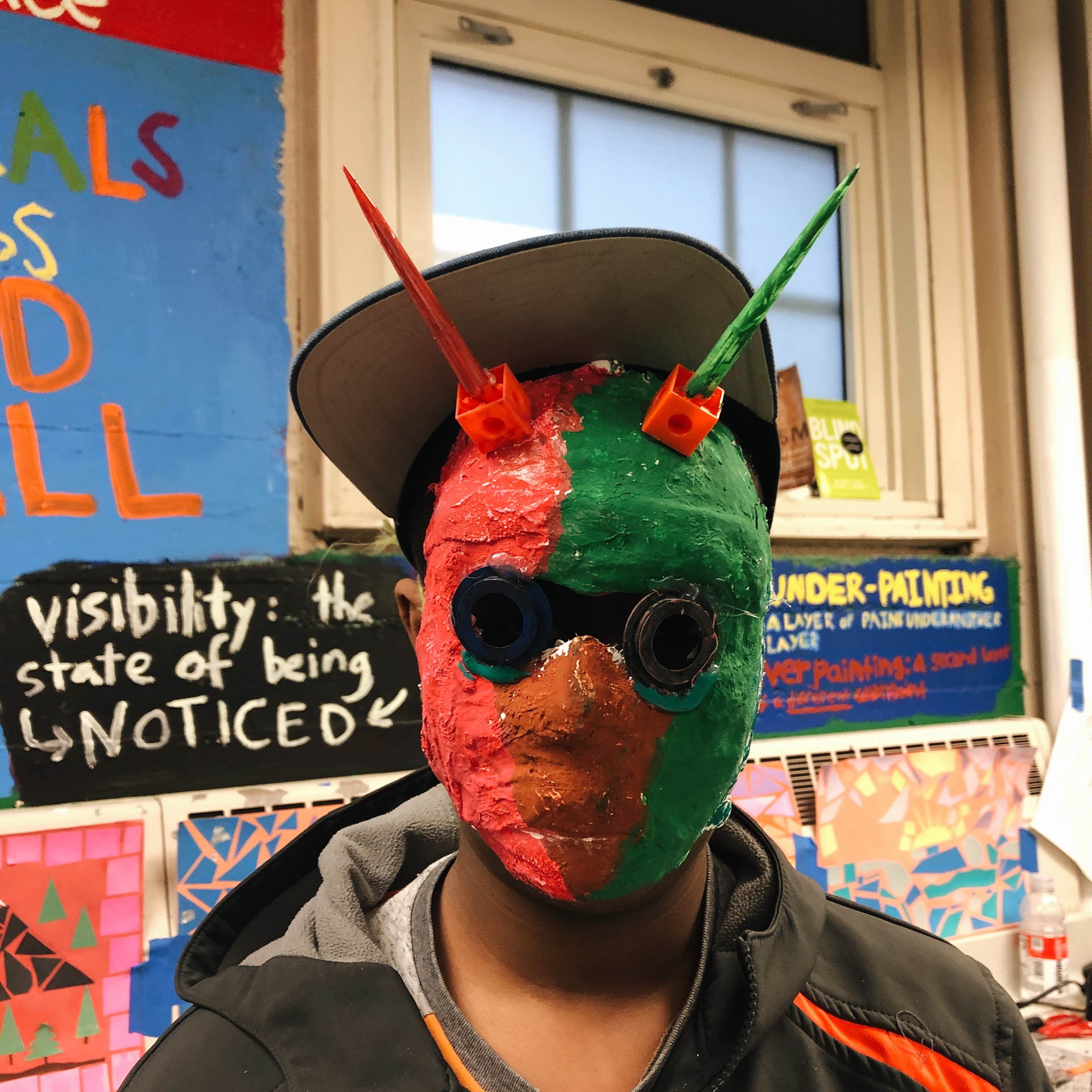
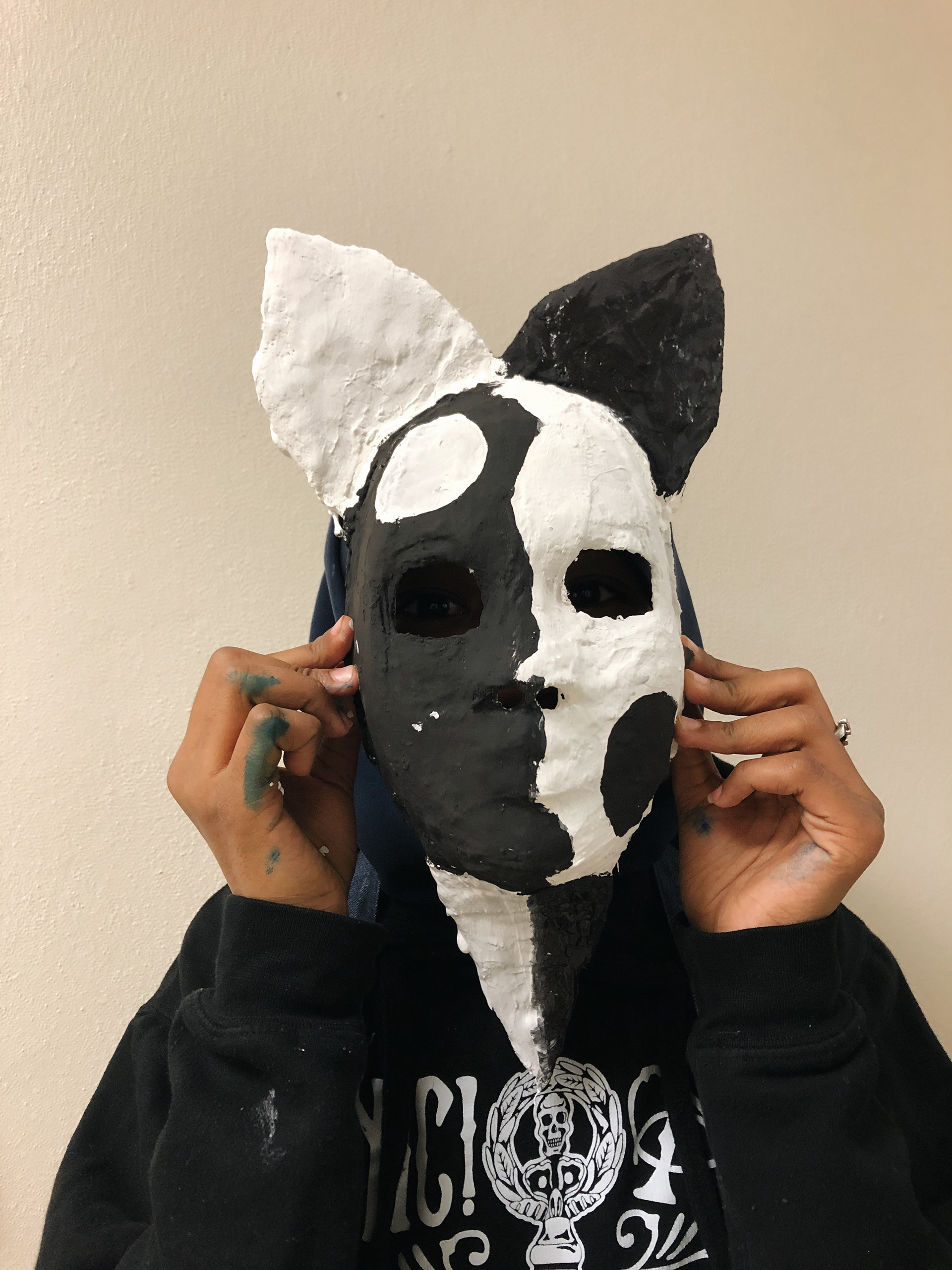
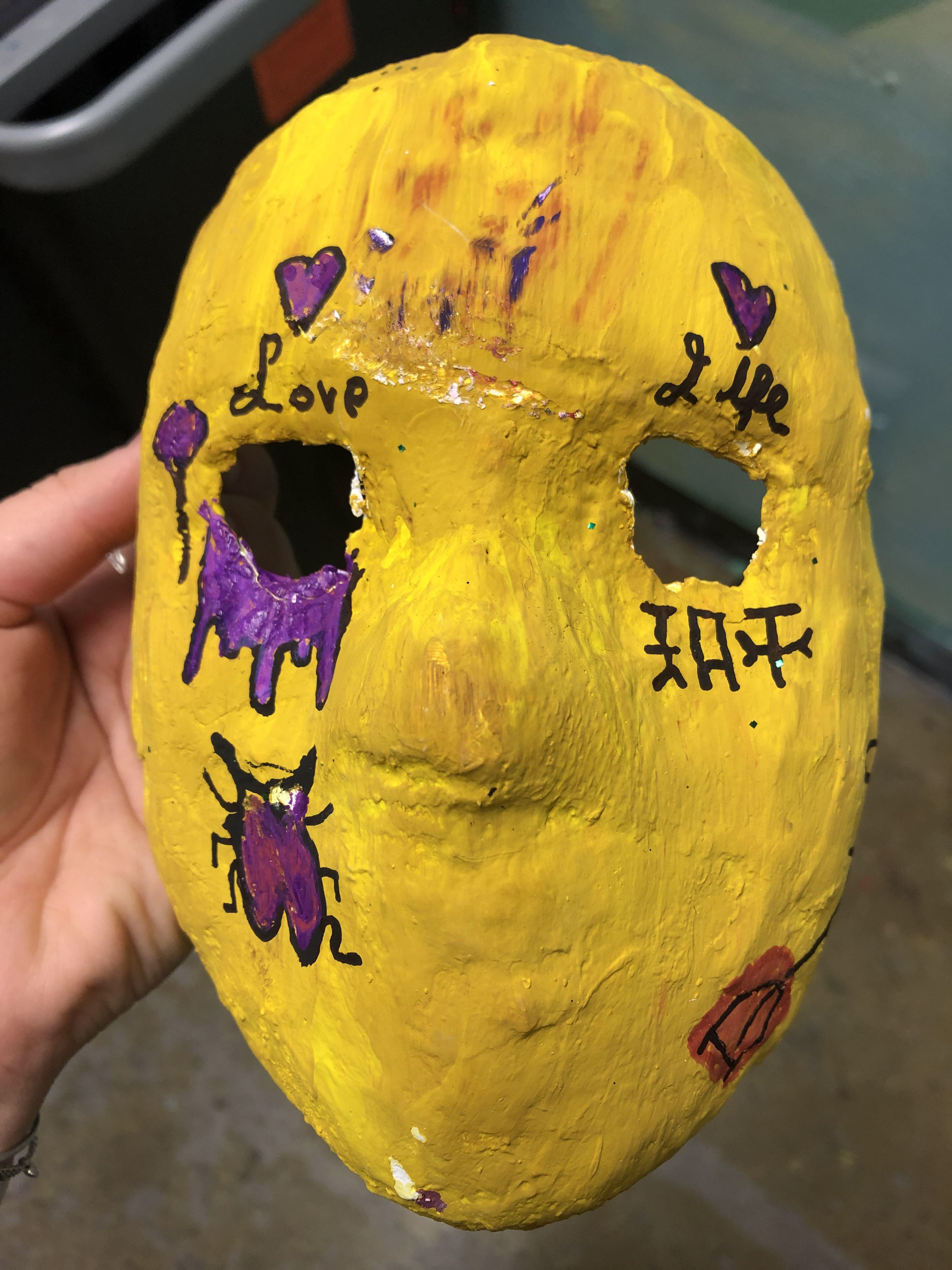
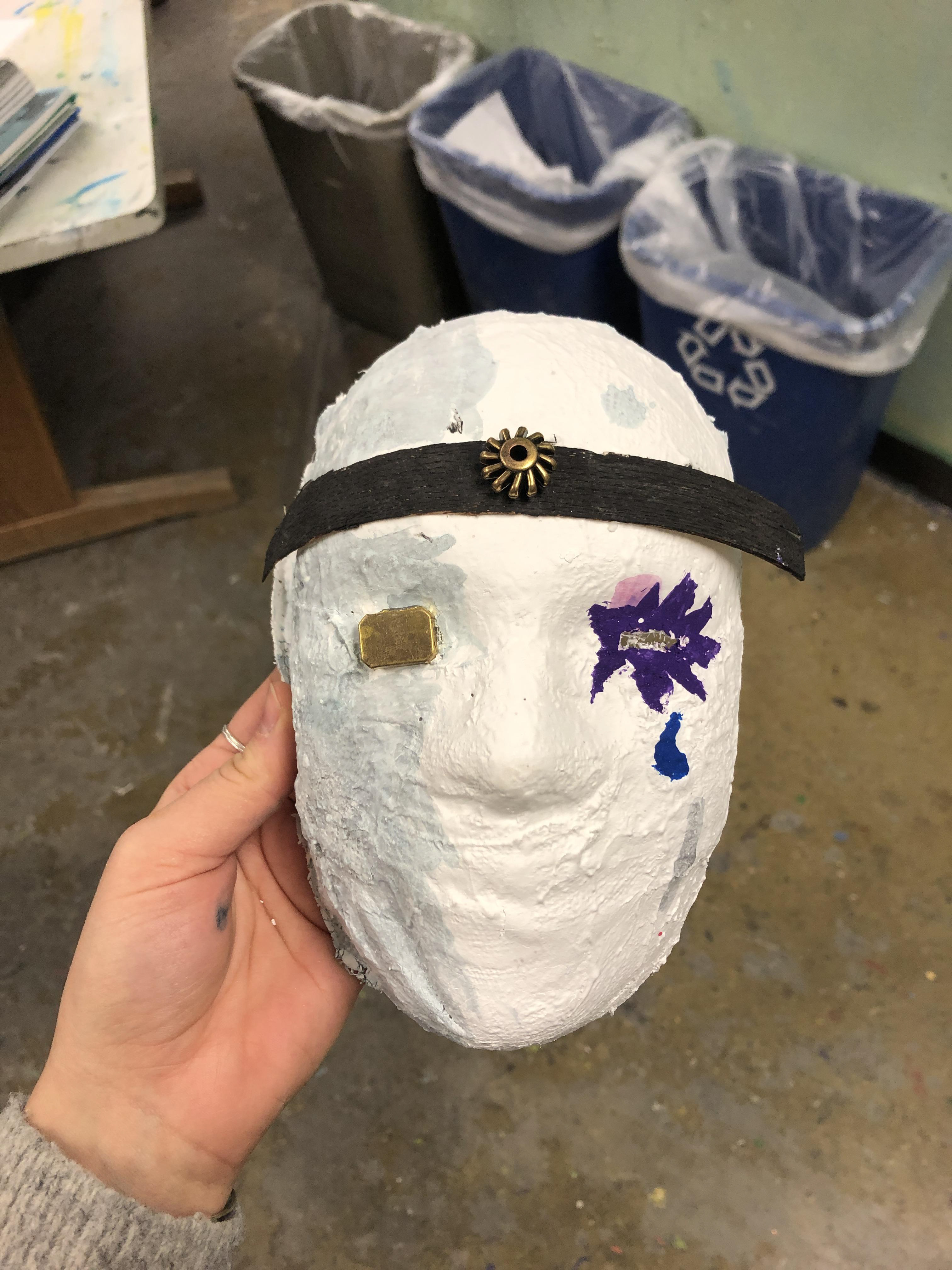
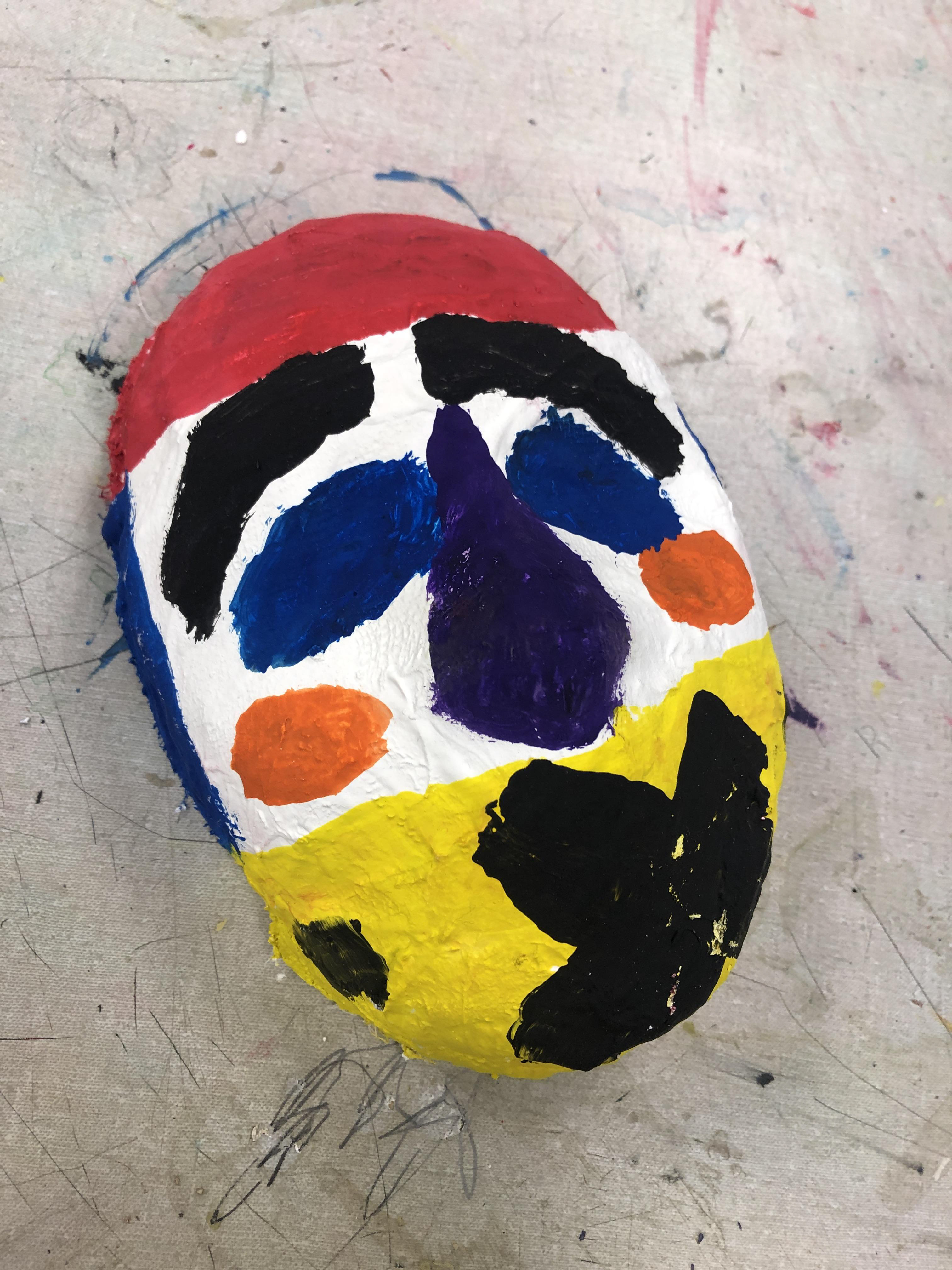
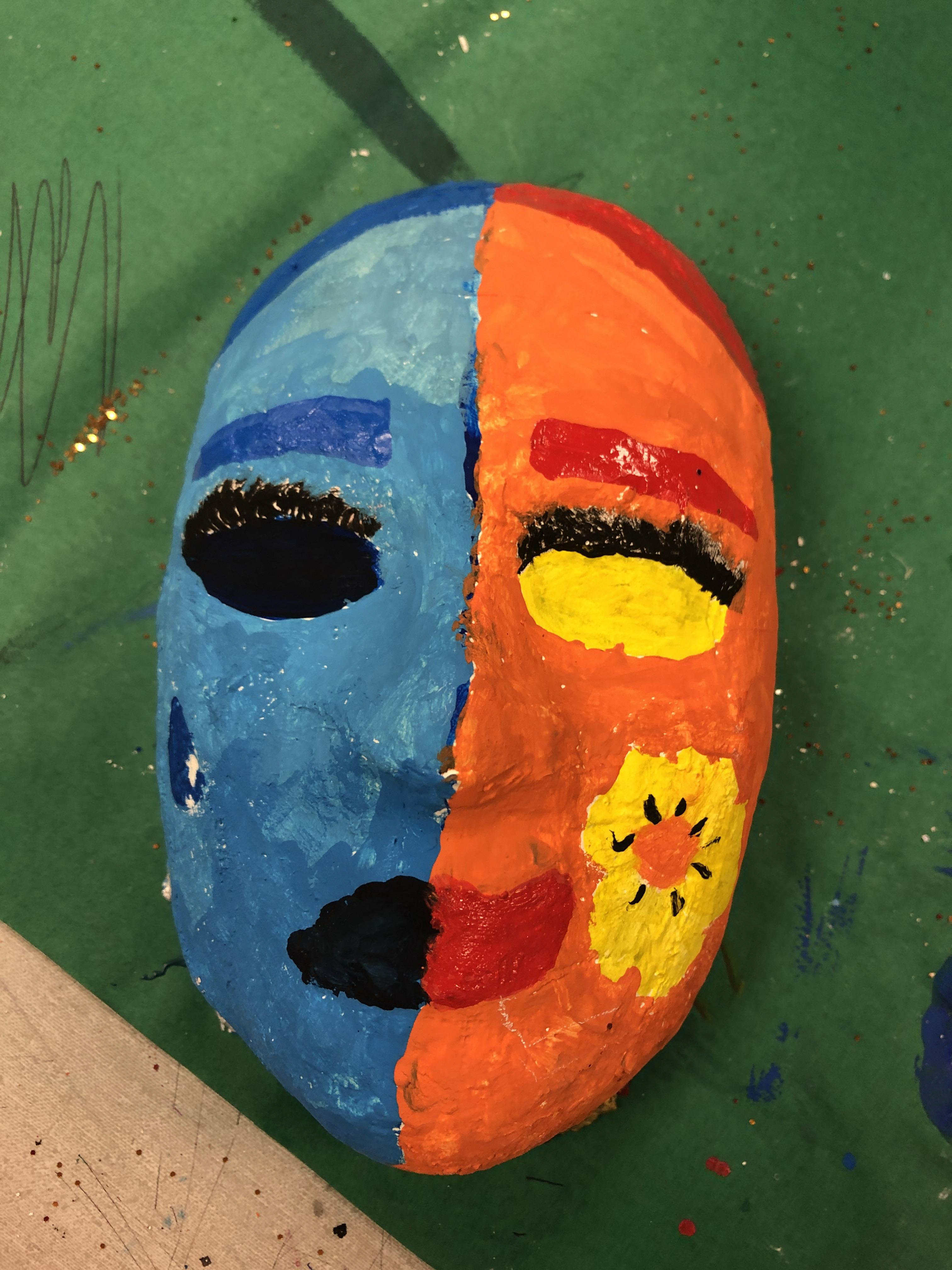
COLOR & EMOTION: After analyzing masks of different purposes and from different cultures, students expanded upon their prior understandings of color theory by making connections between color and how they experience their own emotions and identities.
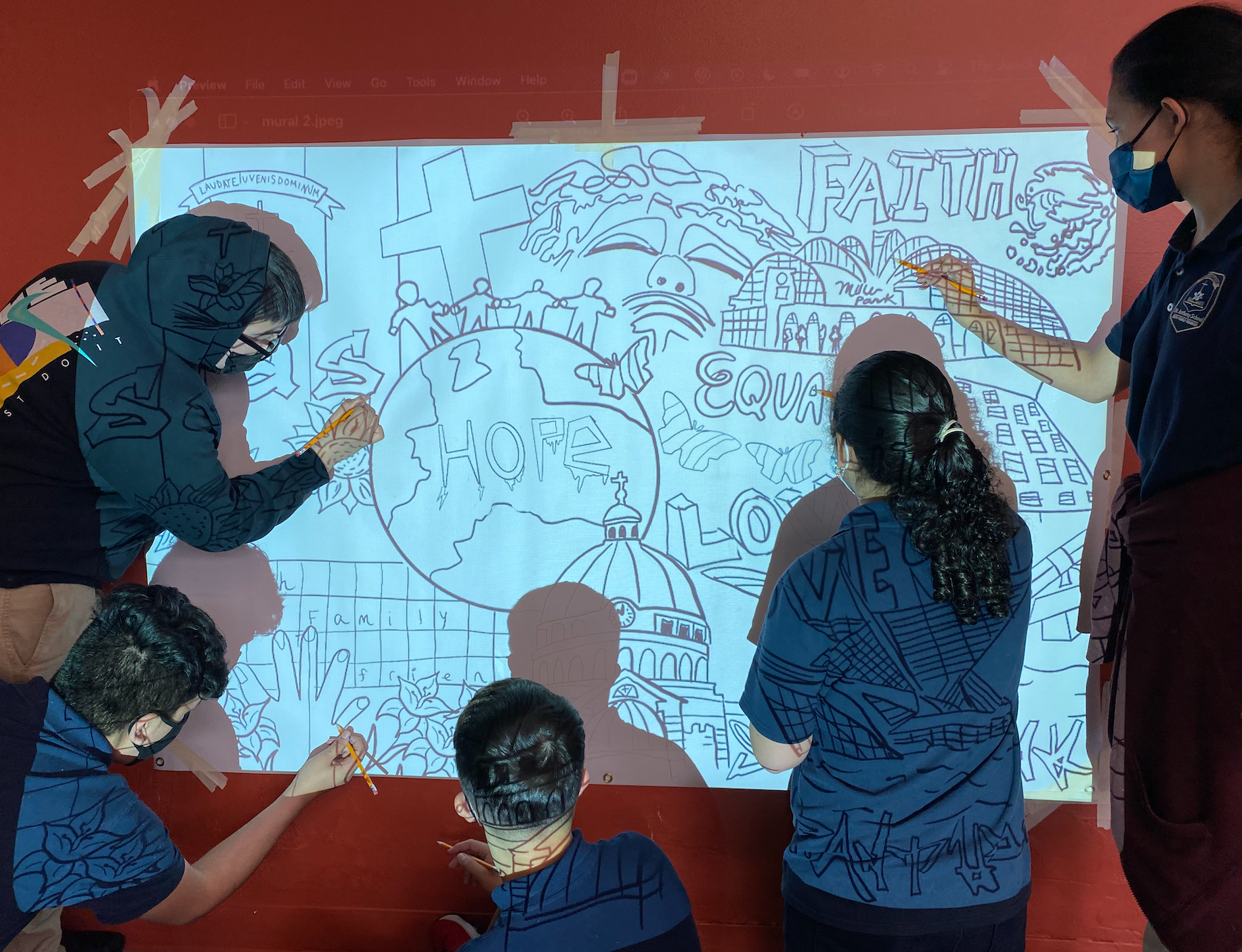
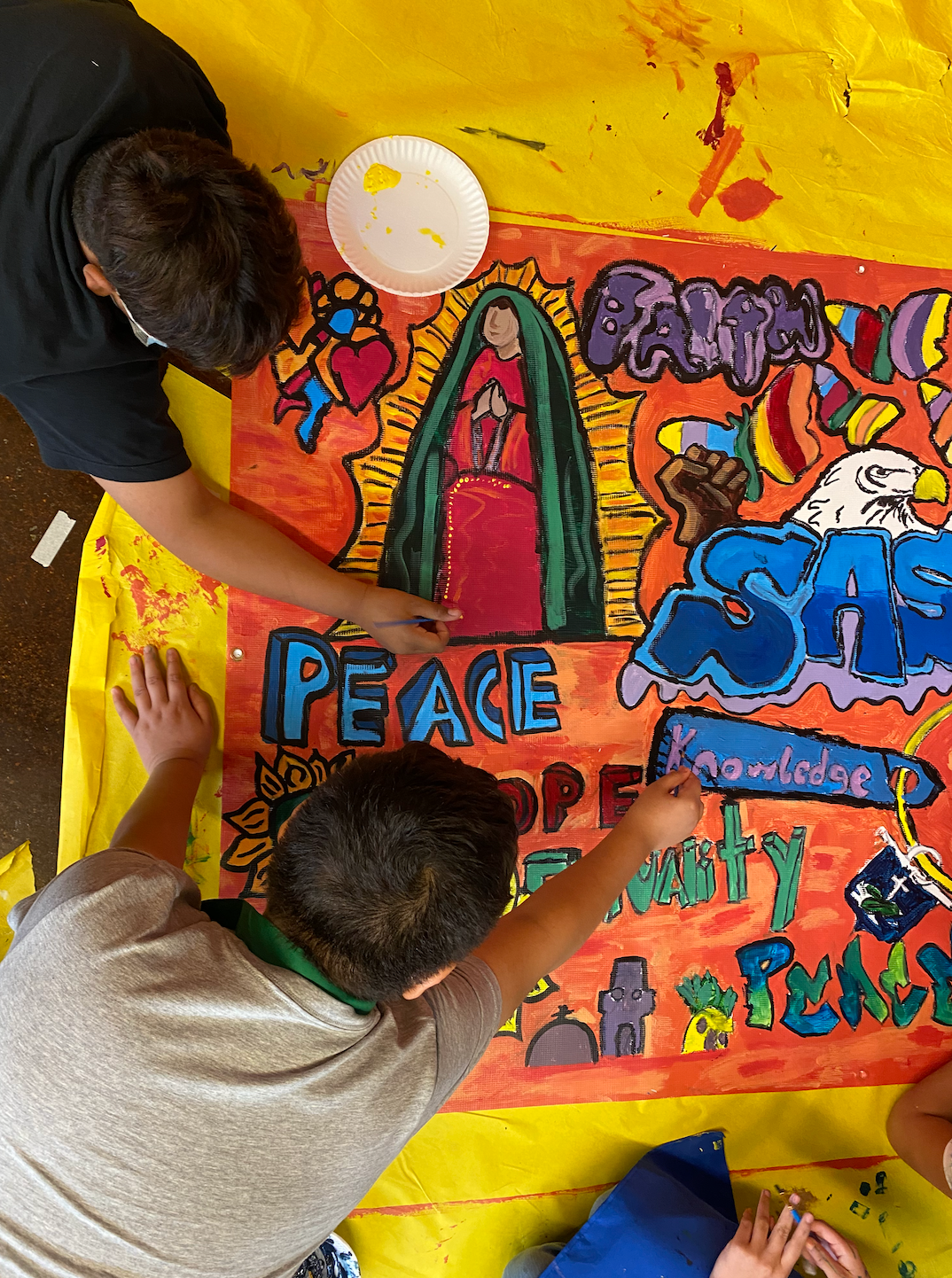
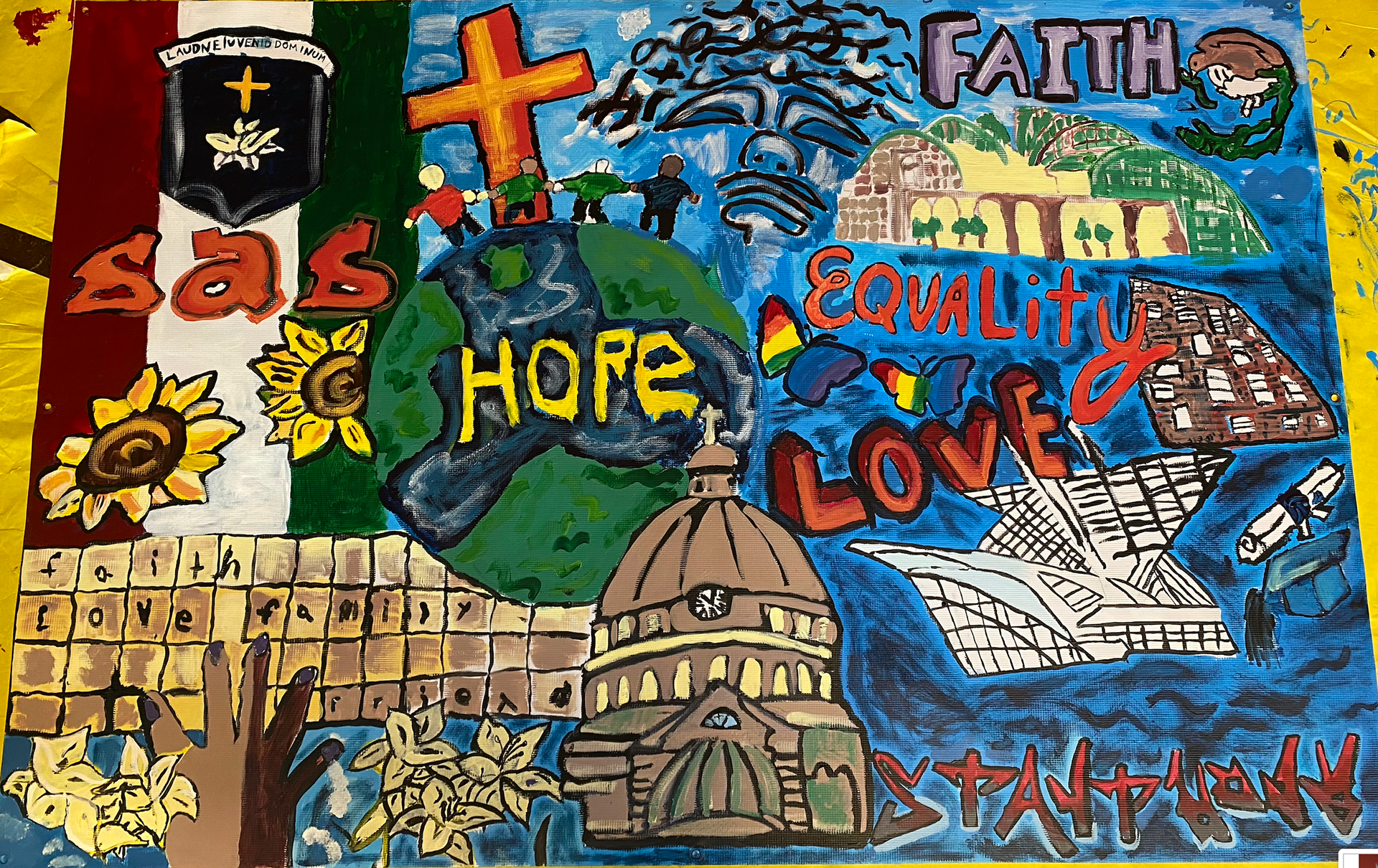
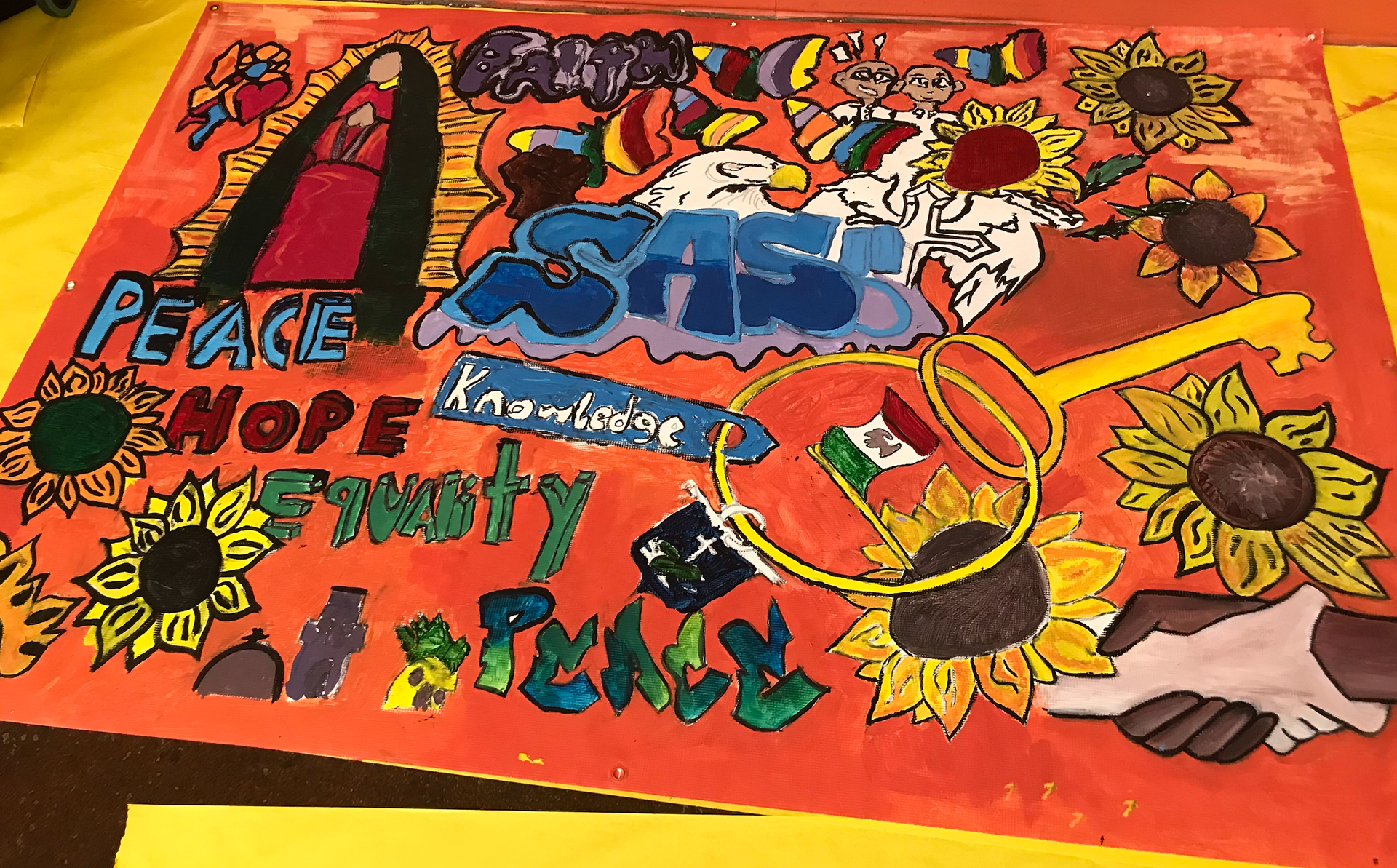
STREET ART DESIGNS: Students studied the qualities of murals and graffiti artwork, and analyzed examples of each in our neighborhood and community. Given the prompt to create a design on the face of our school, students created individual street art designs which were then layered into two school murals.
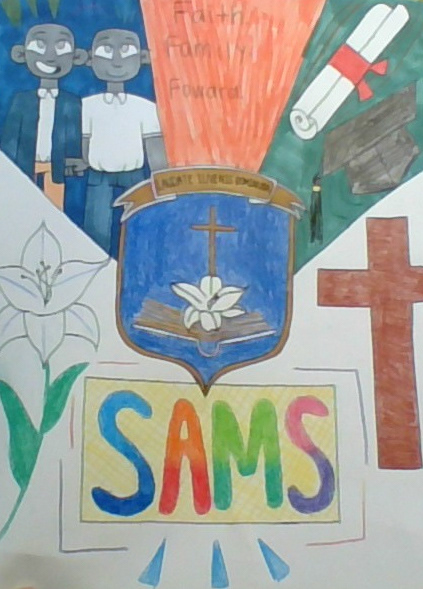
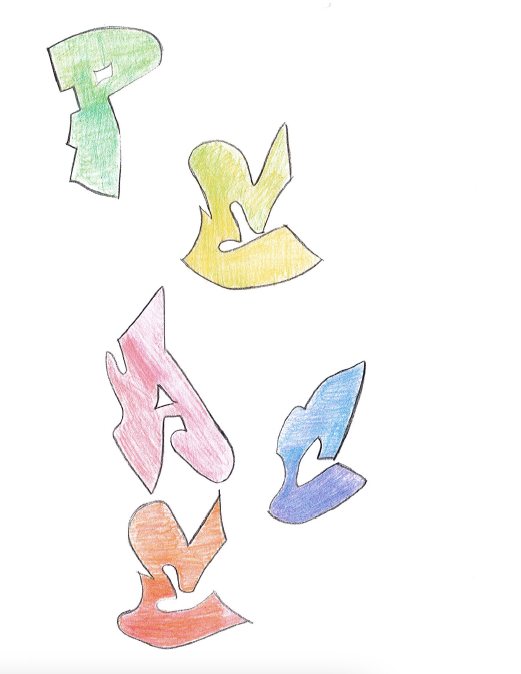
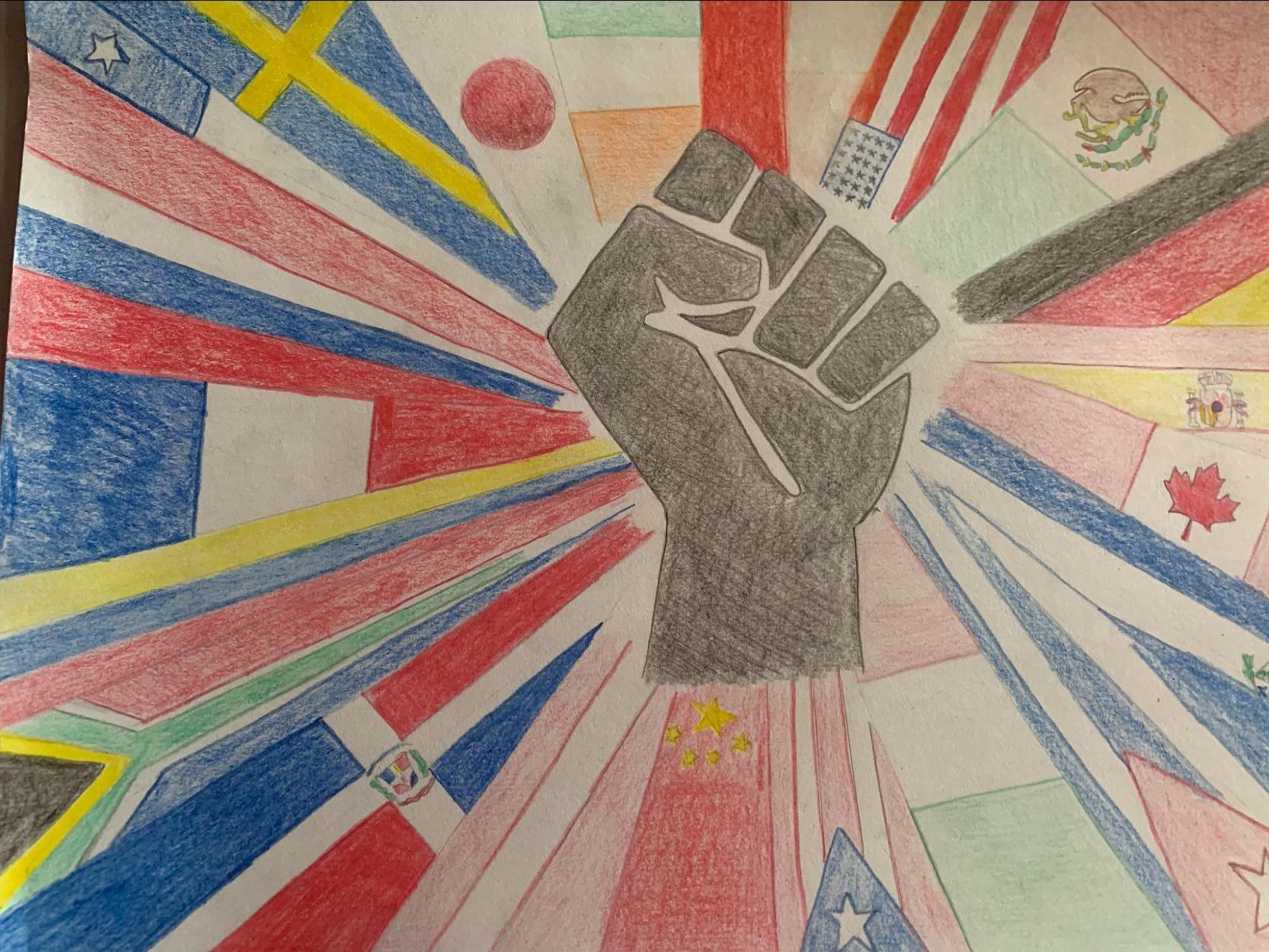
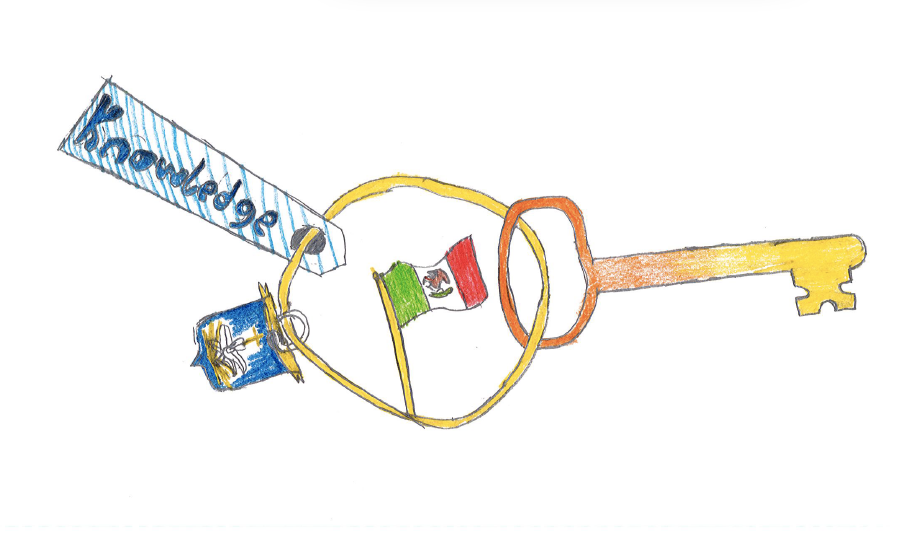
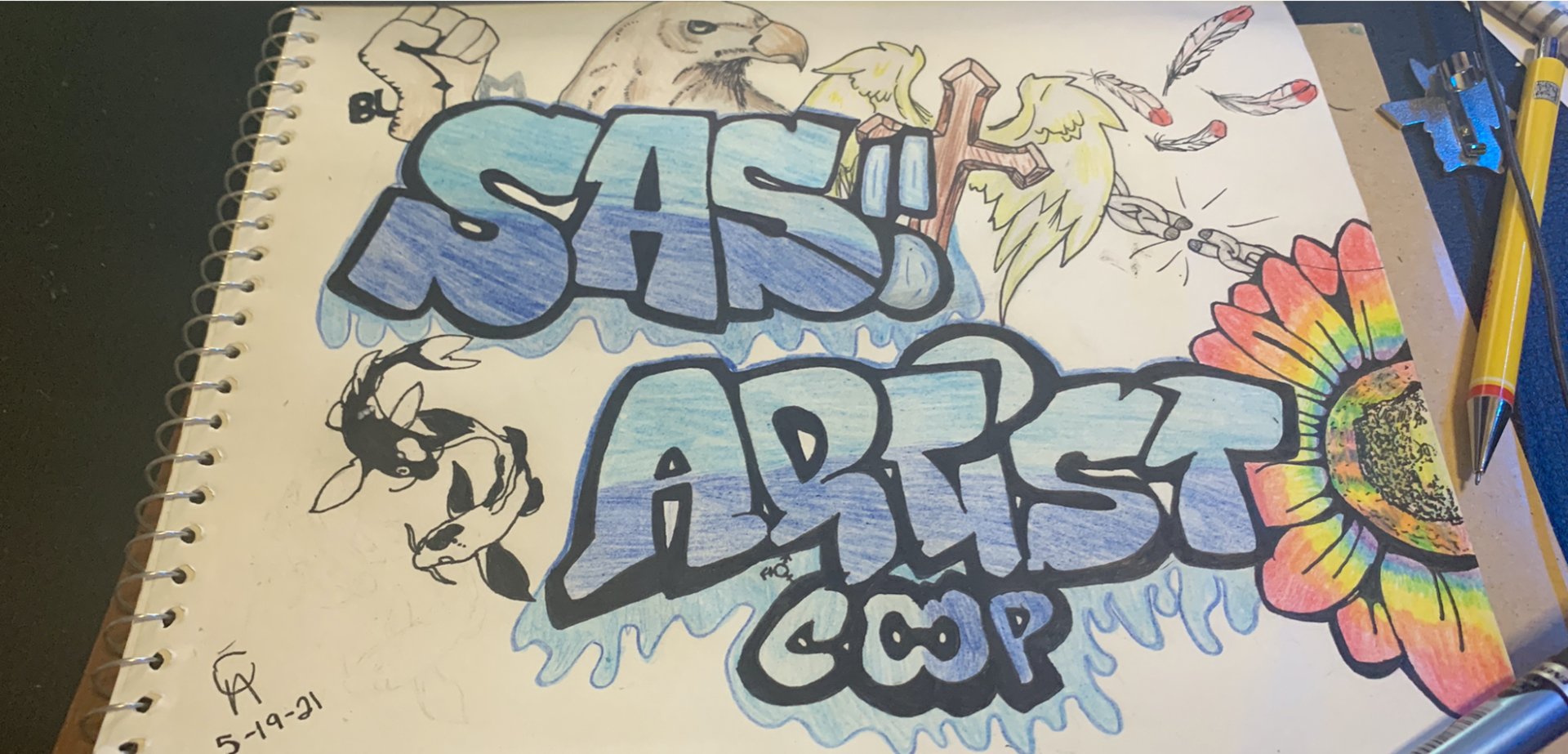
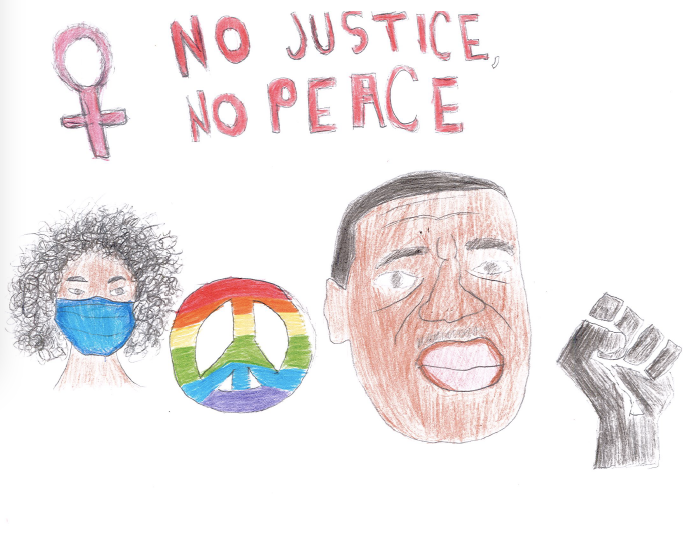
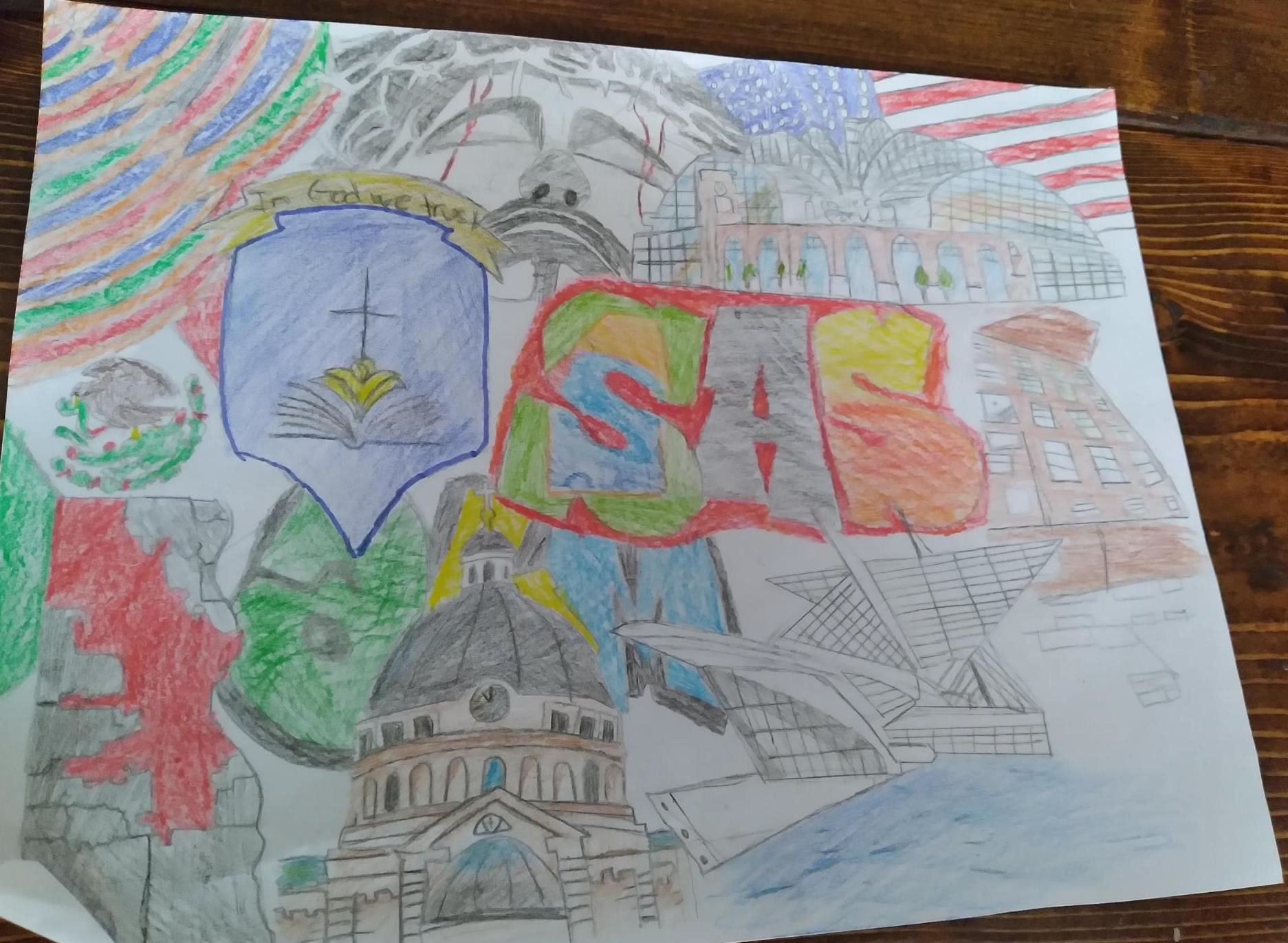
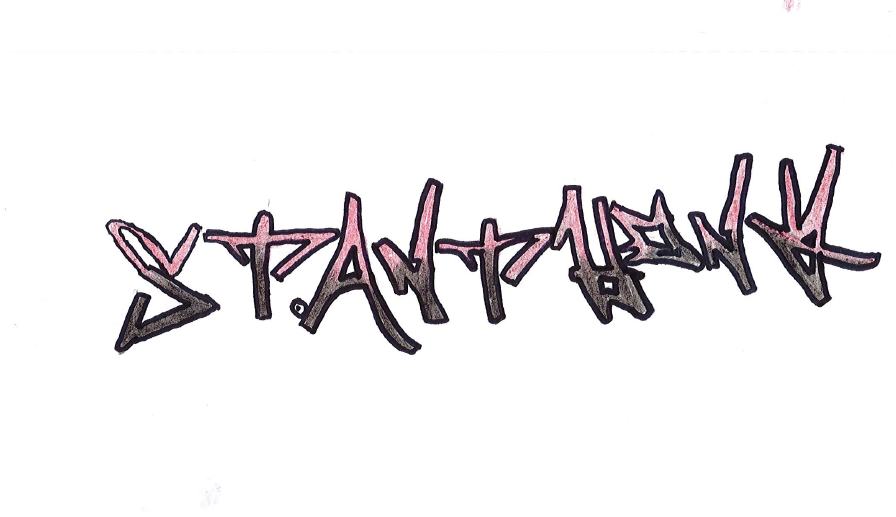
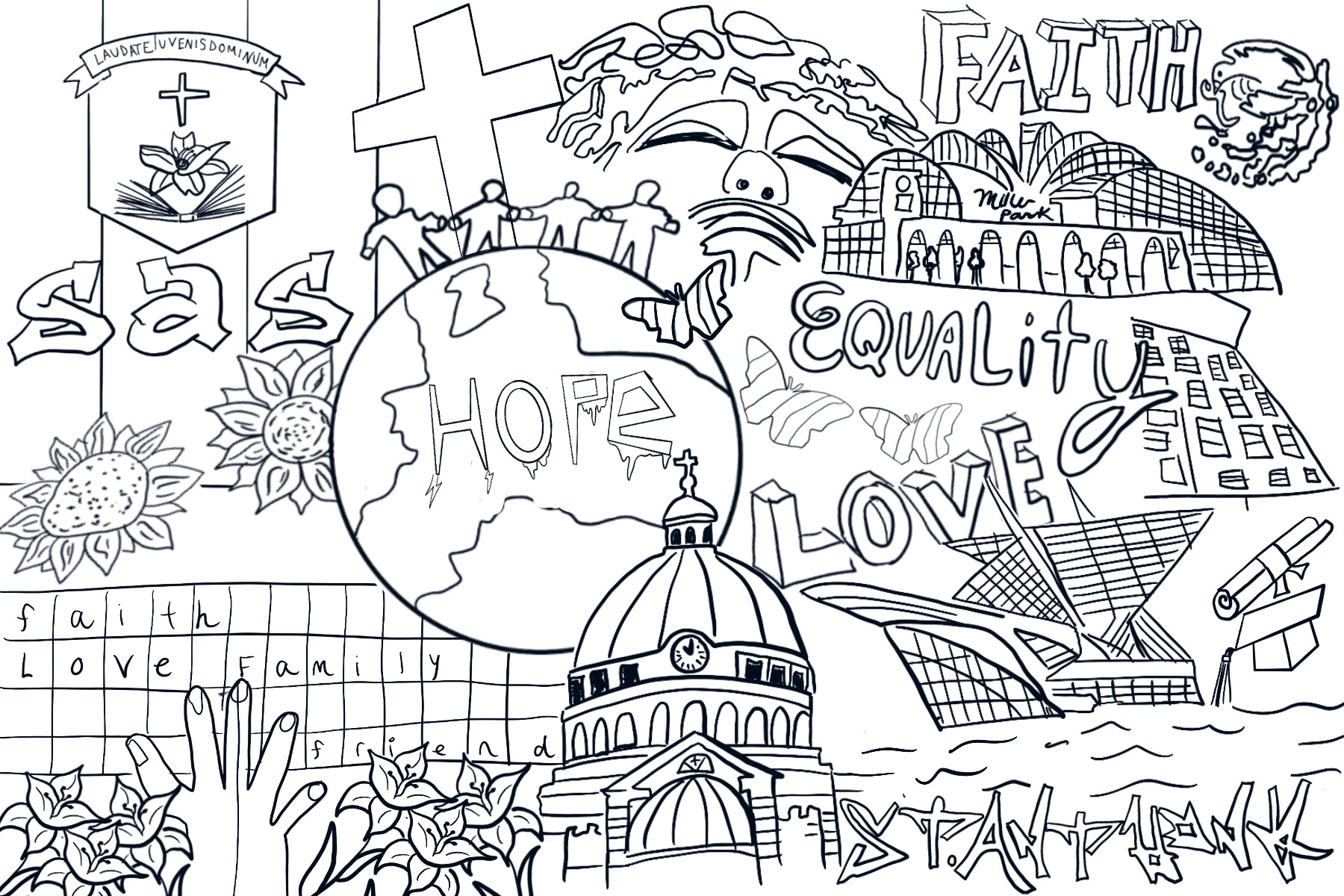
Layered mural design
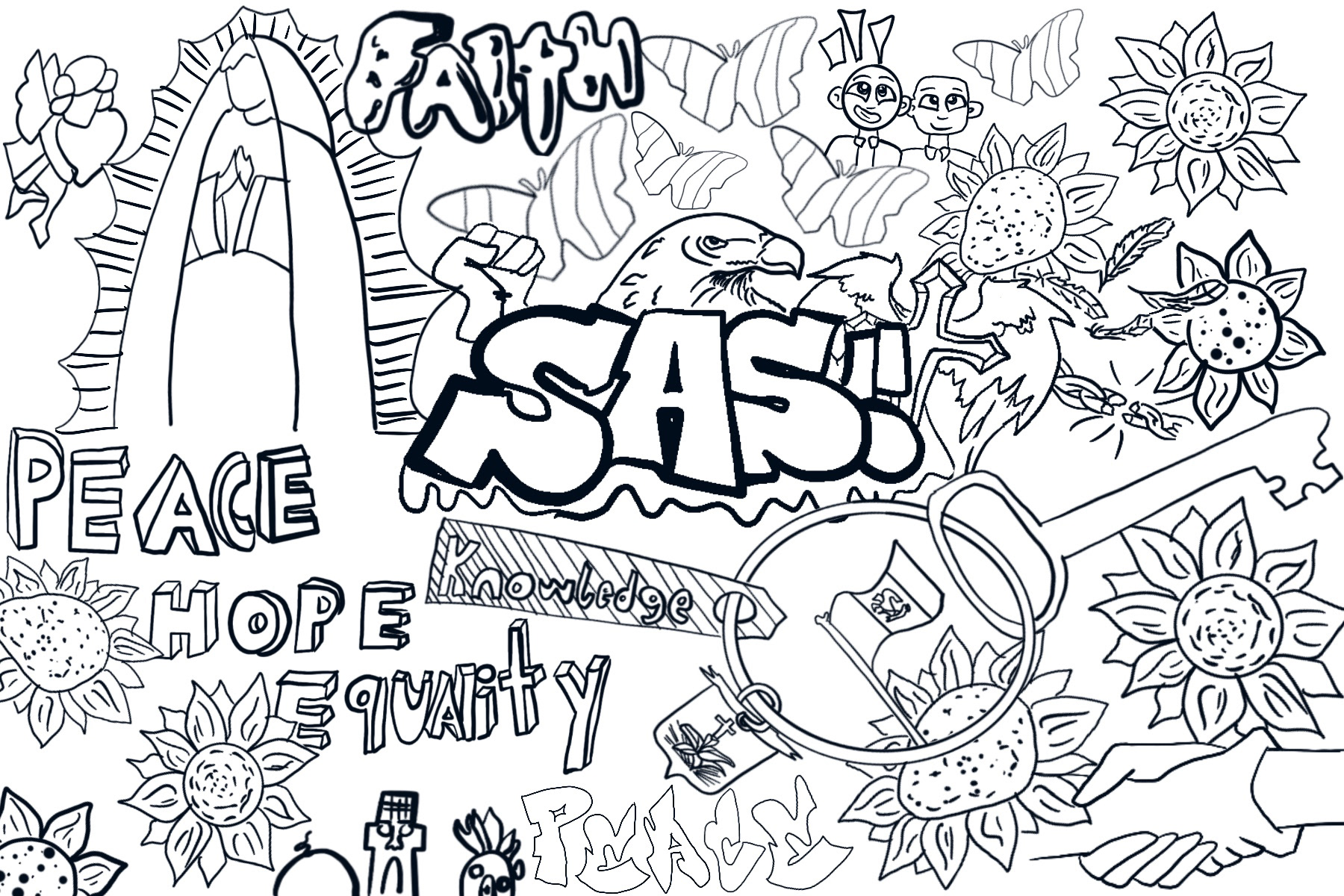
Layered mural design